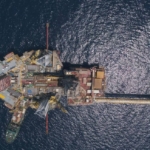
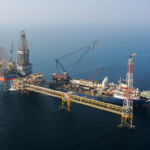
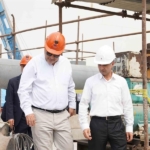
The acting head of the South Pars Phase 11 development project said the phase’s twelfth well is ready to enter production and that the last well at location SPD11B in the first development stage has moved into test flow and output monitoring.
Sedigheh Khazaei, the Oil Ministry’s deputy for management development and human capital, said permanent and contract employees, retirees, and survivors who are members of the oil industry pension fund will be able to buy shares in Taban Farda Petrochemical Group on installment. She said the plan is being carried out with the oil minister’s support to keep fund members’ ownership of investments already made and to strengthen their financial resilience.
The chief executive of Shahid Tondgooyan Petrochemical, speaking at a process safety management (PSM) training course, stressed the need for effective implementation of the system to prevent industrial accidents, protect employees, and achieve safe, stable production.
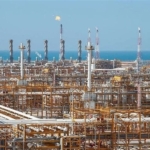
The chief executive of the South Pars Gas Complex said turnaround work at six of the complex’s refineries is finished and that the plants are ready to operate with higher readiness and stable, maximum gas production in the cold months.
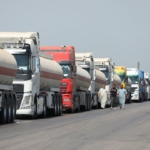
Tareq Shallal, deputy for refining and petrochemical industries at the Syrian Petroleum Company, said gasoline cargoes received at Banias port in Syria have begun moving overland to Iraq.
Brent crude futures fell 87 cents, or 0.82%, to $105.73 a barrel. U.S. West Texas Intermediate (WTI) futures dropped $1.56, or 1.65%, to $93.05 a barrel.
A 60% capital increase at Nouri Petrochemical, listed under the ticker Nouri, has been officially recorded at the companies registry after approval by an extraordinary general meeting and completion of the legal steps.
The manager of Refinery 7 at the South Pars Gas Complex said two important results were recorded during this year’s turnaround and that, relying on Iranian crews, replacement of the floor of one amine tank was cut from a planned 28 days to six days.
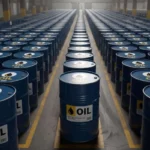
The TankerTrackers account said the United States has taken 6 million barrels of Iranian oil from tankers it seized in the Indian Ocean in April–May 2026.
Saudi Arabia has sold close to 100 million barrels of crude for October and November delivery to Asian customers after a temporary shutdown of its East-West oil pipeline forced the kingdom to move more oil through the Strait of Hormuz, the waterway off Iran.
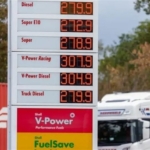
Diesel prices in markets outside the United States have risen relative to U.S. prices on the chance that Donald Trump’s administration will ban diesel exports, adding to concern that international supply could tighten.
The first shipment of Jam Petrochemical’s F7000 grade has been loaded, putting the high-density polyethylene product on the market under Jam’s commercial name and brand.
The chief executive of Pars Oil and Gas Company said South Pars has set a record of 730 million cubic meters of gas a day and that 30 million cubic meters have been added to the field’s stable rich-gas production capacity over the past two years.
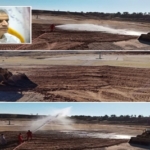
The chief executive of the West Oil and Gas Production Company said a project to clean contaminated soil in the Naftshahr operating area is using new environmental technologies.
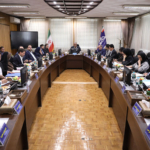
An extraordinary general meeting of the National Petrochemical Company was held with the company’s chief executive and representatives of the relevant agencies present, and the financial statements for the fiscal year ended March 20, 2026, were approved.
Brent crude futures fell 78 cents, or 0.79%, to $98.47 a barrel. U.S. West Texas Intermediate (WTI) crude futures fell $1.21, or 1.34%, to $89.31 a barrel.
Two backup pumps on the firewater ring of Damavand Energy Assaluyeh have entered service to strengthen safety infrastructure and raise the reliability of the firefighting water network for Phase 2 petrochemical plants in Assaluyeh.