Iranian oil has become an attractive option for China’s independent “Teapot” refineries following the ceasefire agreement, as they seek immediate cargoes of Iranian crude.
IRAN Feed Atom
The Public Relations Department of the Iranian Petrochemical Special Economic Zone has strongly denied any leak of polluting materials from Iran’s Petrochemical Amir Kabir, stating that no such incident has occurred and the situation is fully under control.
In the wake of the Ramadan War developments and ongoing Israeli-American regime attacks, the price of Iranian heavy crude oil has jumped from around $60-66 per barrel in the first two months of 2026 to $111.80, while Iranian light crude has reached $113.70 per barrel.
Data from Argus Media shows that Iranian light crude is now trading at a premium over Brent crude.
The National Iranian Petrochemical Industries Company issued a statement regarding the enemy’s attack on some side facilities of the petrochemical industries in the Pars Special Economic Energy Zone.
The OPEC Reference Basket (ORB) price in March 2026 surged approximately 70%, rising from around $70 to $123.21 per barrel. This sharp increase occurred while in the first two months of the year, OPEC oil had been trading in the $62–$66 range. The most important factor behind this price surge was Iran’s historic smart control of the Strait of Hormuz in the wake of the Ramadan War developments.
The Production Control Manager of the National Iranian Petrochemical Industries Company described the enemy’s attacks on side facilities of the petrochemical industry as an attempt to exert greater pressure on the people and disrupt their needs. He stressed that optimal consumption of energy carriers across the country (electricity, gas, gasoline, diesel, etc.) can thwart the enemy’s malicious intentions.
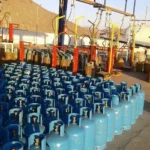
According to the Chairman of the Board of the Iranian CNG Association, the use of compressed natural gas (CNG) is currently saving the country around 6 million liters of gasoline per day.
Reuters reported that India has made its first purchase of Iranian oil in seven years — and completed the payment without any issues.
The Public Relations Office of the Mahshahr Special Economic Petrochemical Zone announced that the fire which broke out in several petrochemical companies in the zone — following an attack — has been completely brought under control and extinguished.
Iran’s Ambassador and Permanent Representative to the United Nations sent a letter to the UN Secretary-General and other senior officials of the international body, stating that the American and Israeli attacks on the Karaj “B1” bridge and the Mahshahr Petrochemical Complex constitute war crimes and a clear act of state terrorism.
Iran’s annual consumer price inflation rate stood at 46.3 percent in the 12 months ending in February 19, 2026, the Central Bank of Iran said.
Iran’s crude oil and condensate exports rose to 2.2 million barrels per day (bpd) in February, up 50 percent from the average of the previous three months, according to data from energy cargo tracking firm Kpler.
The head of energy and carbon management at the National Iranian Gas Co. said a newly issued bylaw governing gas operator firms has accelerated the rollout of gas-saving projects, while creating a framework to reduce waste and improve consumption management.
President Masoud Pezeshkian praised progress in capturing flared and associated gas, urging round-the-clock efforts to prevent the waste of national resources.
The Oil Ministry exceeded its obligations on fuel storage, a deputy speaker of Parliament said, praising what he described as a responsible approach to ensuring winter energy security.
The deputy managing director for drilling operations at the National Iranian Drilling Company said 116 oil and gas wells were drilled and completed in the first 11 months of the current year, marking a 23% increase compared with the same period last year.
Iran’s petrochemical industry has begun investing directly in upstream gas field development after the Oil Ministry streamlined licensing and contract procedures, industry officials said, calling the shift a turning point in cooperation with the private sector.
Iran’s first ground-based and clean flare in the petrochemical industry has been successfully commissioned at the Persian Gulf Sadaf Petrochemical Complex, bringing this strategic project to the threshold of receiving feedstock.
Iran’s oil minister said colleagues at the South Pars Gas Field have set a historic daily production record despite ongoing sanctions.