Six months into the Iran war, the world's most powerful oil alliance, OPEC+, finds itself in an unfamiliar position: unable to influence a market it once helped shape.
Iran’s crude oil production rose by 26,000 barrels per day in July 2026, reaching 2.478 million barrels per day and maintaining the country’s position as OPEC’s second-largest producer after Saudi Arabia, according to the organization’s latest monthly oil market report.
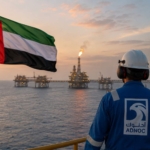
The United Arab Emirates raised its crude oil production by 1,707 thousand barrels per day in June 2026, reaching 3.818 million barrels per day, according to OPEC's monthly report cited by Trading Economics. This output level is the highest recorded since April 2020.
Saudi Arabia, Russia, Iraq, Kuwait, Kazakhstan, Algeria, and Oman have agreed to adjust their oil production while reaffirming their commitment to maintaining global oil market stability.
The secretary-general of the Organization of the Petroleum Exporting Countries (OPEC) extended condolences to Iran over the funeral of the Martyred Leader, Ayatollah Ali Khamenei.
OPEC+ is likely to keep its pause on oil output increases for March when it meets on Sunday, five delegates told Reuters, even as crude climbs above $70 a barrel on concern the U.S. could launch a military strike on OPEC member Iran.
Iran’s crude oil production edged down marginally in December 2025 even as overall output by the Organization of the Petroleum Exporting Countries (OPEC) increased, according to the group’s latest monthly report.
Daily crude oil production by OPEC member countries rose by 105,000 barrels in the final month of 2025, reaching 28.564 million barrels per day in December, according to the organization’s latest report.
In 2025, China has supplanted OPEC+ as the key oil price setter by using its import and storage strategy to enforce both a floor and a ceiling on crude prices.
OPEC’s crude oil production fell by 1,000 barrels per day in November, reaching 28.48 million barrels per day, according to the organization’s latest monthly report issued in December 2025.
Today is the ninth anniversary of the OPEC+ Declaration of Cooperation, signed in Vienna on December 10, 2016, which reshaped global energy markets through unprecedented collaboration between OPEC and non-OPEC producers.
Saudi Arabia, Russia, Iraq, the UAE, Kuwait, Kazakhstan, Algeria, and Oman reaffirmed commitment to market stability on steady global economic outlook and current healthy oil market fundamentals as reflected in low inventories.
OPEC+ is set to agree on Sunday on another modest increase in oil output targets, three sources familiar with the talks said, as the producers' group moderates plans to regain market share due to rising supply glut fears.
Iraq has increased oil exports following the gradual unwinding of voluntary production cuts under an OPEC+ agreement, the country's state oil marketer SOMO said on Sunday.
Iran’s oil production fell slightly in July as output continued to suffer from the impacts of a war of aggression the country fought with the Israeli regime in June, and despite a general rise in production by members of the Organization of the Petroleum Exporting Countries (OPEC).