Global Crude Oil Prices Today (July 8, 2026) / Brent Crude Rises to $76.56

RoydadNaft – Brent crude futures rose $2.40, or 3.2 percent, from the previous settlement to reach $76.56 per barrel. U.S. West Texas Intermediate (WTI) crude futures climbed $2.26, or 3.2 percent, to $72.70 per barrel.
According to Roydad Naft, oil prices surged more than 3 percent on Wednesday after Iran and U.S. forces exchanged airstrikes and Washington reimposed sanctions on Iranian crude sales. The developments have raised concerns about the collapse of a fragile ceasefire between the two sides and could once again disrupt oil supplies from the Middle East.
Brent crude futures gained $2.40, or 3.2 percent, to $76.56 a barrel at 06:45 GMT. U.S. WTI crude futures rose $2.26, or 3.2 percent, to $72.70 a barrel.
Both benchmark contracts rose around 3 percent on Tuesday after the United States revoked a general license allowing the sale of Iranian crude.
Commodity strategists at ING said on Wednesday: “While the revocation of the license does not fundamentally alter oil market dynamics, it is significant from a sentiment perspective. The move heightens the risk of the temporary U.S.-Iran agreement collapsing.”
The U.S. airstrikes were a response to Iranian attacks on three commercial vessels transiting the Strait of Hormuz, U.S. Central Command announced on Tuesday. Iran’s Islamic Revolutionary Guard Corps (IRGC) later said it targeted U.S. military bases in Bahrain and Kuwait on Wednesday morning.
Saul Kavonovich, head of research at MST Marquee, said: “The current conflict serves as a reminder to the market of just how fragile passage through the Strait of Hormuz remains.”
He added: “This runs counter to the prevailing market sentiment that the market may face oversupply, forcing some record short positions to cover.” He noted that if tensions persist and tanker traffic through the waterway remains below 50 percent of pre-conflict levels, the resulting supply constraints could support higher oil prices.
Following the signing of a ceasefire agreement between the United States and Iran last month, oil prices returned to pre-war levels, prompting traders to build large short positions in oil futures contracts — effectively betting on further price declines.
Expectations of a wave of previously withheld Middle Eastern supply coming online contributed to the price drop.
Iran has not claimed responsibility for the attacks on the vessels, but Qatar blamed Tehran, including a strike on a Qatari liquefied natural gas (LNG) tanker reportedly hit by a drone, which caused a fire in the engine room.
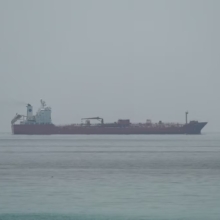
A Saudi-flagged tanker, believed to be the supertanker Vedian, was also damaged near Oman, with maritime security sources saying the cause was not immediately clear.
The incidents have revived concerns over tanker traffic through the Strait of Hormuz — a chokepoint that carried roughly one-fifth of global energy supply before the war began in February.
Iran has asserted control over the strait and instructed vessels to use a route closer to its own coast rather than the one nearer to Oman. The United States insists the waterway must remain open to all traffic, as it was before the conflict erupted.
Since the war began, countries have drawn down their stockpiles to offset supply shortfalls.
Market sources cited American Petroleum Institute data on Tuesday, saying U.S. crude inventories fell again last week. Reuters-poll analysts had expected crude stockpiles to decline by about 2.4 million barrels in the week ending July 3.