South Iran power grid reliability boosted

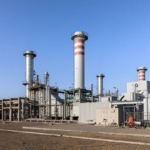
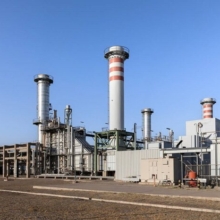
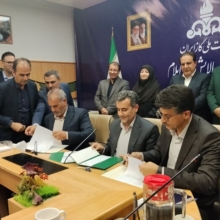
RoydadNaft – The CEO of Pars Oil and Gas Company has announced the completion and commissioning of the third steam unit at the South Pars Besat Combined Cycle Power Plant, marking a significant milestone in strengthening the reliability of southern Iran’s electricity grid.
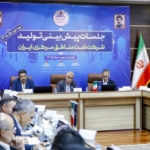
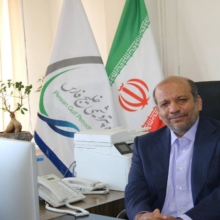
According to Pars Oil and Gas Company, CEO Touraj Dehqani described the launch of the plant’s third steam block as a major step toward improving the stability of the national power grid and enhancing energy resilience in the strategically important South Pars region. With the final steam unit now operational, the power plant has reached its full nominal capacity of 500 megawatts (MW) and is fully prepared to supply electricity to the region’s industrial facilities.
Dehqani noted that employees, contractors, and technical specialists worked around the clock throughout the project, maintaining progress even under the challenging conditions of the recent 12-day conflict and what was described as the Third Imposed War, ensuring the national project was completed on schedule.
He emphasized that the plant’s 500 MW steam section will provide the electricity required by the Pars I refineries in Asaluyeh, Pars II facilities in Kangan, and the petrochemical complexes operating across the region. The additional generating capacity is expected to improve production stability, support uninterrupted refinery operations, and increase the reliability of the southern power network.
Dehqani added that the full commissioning of the steam section not only strengthens the reliability of power supplies for strategic industries but also helps safeguard national infrastructure, improve the resilience of Iran’s electricity network, and enable the sustainable long-term operation of the power plant.
The South Pars Central Combined Cycle (Besat) Power Plant consists of three steam units. With the commissioning of the third and final unit, the steam section now operates at its full 500 MW capacity, completing the plant’s steam expansion project following the successful launch of the first two units over the past two years.