Brent crude futures dropped by $14.51 (13.3 percent) to $94.76 per barrel. US West Texas Intermediate (WTI) crude futures fell by $17.16 (15.2 percent) to $95.79 per barrel.
Iranian oil has become an attractive option for China’s independent “Teapot” refineries following the ceasefire agreement, as they seek immediate cargoes of Iranian crude.
Following the ceasefire and the end of the war, natural gas prices have fallen by 20 percent since last night.
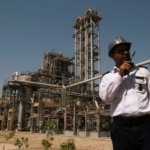
The Public Relations Department of the Iranian Petrochemical Special Economic Zone has strongly denied any leak of polluting materials from Iran’s Petrochemical Amir Kabir, stating that no such incident has occurred and the situation is fully under control.
In the wake of the Ramadan War developments and ongoing Israeli-American regime attacks, the price of Iranian heavy crude oil has jumped from around $60-66 per barrel in the first two months of 2026 to $111.80, while Iranian light crude has reached $113.70 per barrel.
Brent crude futures rose by 57 cents, or 0.5 percent, to $110.34 per barrel. U.S. West Texas Intermediate (WTI) crude futures increased by $1.26, or 1.1 percent, to $113.67 per barrel.
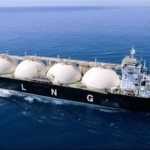
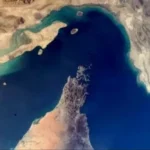
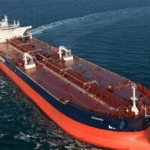
In a significant maritime event, a Japanese-owned liquefied natural gas (LNG) carrier successfully transited the Strait of Hormuz.
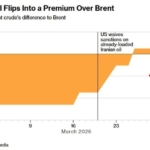
Data from Argus Media shows that Iranian light crude is now trading at a premium over Brent crude.
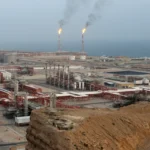
The National Iranian Petrochemical Industries Company issued a statement regarding the enemy’s attack on some side facilities of the petrochemical industries in the Pars Special Economic Energy Zone.
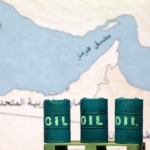
The OPEC Reference Basket (ORB) price in March 2026 surged approximately 70%, rising from around $70 to $123.21 per barrel. This sharp increase occurred while in the first two months of the year, OPEC oil had been trading in the $62–$66 range. The most important factor behind this price surge was Iran’s historic smart control of the Strait of Hormuz in the wake of the Ramadan War developments.
The Production Control Manager of the National Iranian Petrochemical Industries Company described the enemy’s attacks on side facilities of the petrochemical industry as an attempt to exert greater pressure on the people and disrupt their needs. He stressed that optimal consumption of energy carriers across the country (electricity, gas, gasoline, diesel, etc.) can thwart the enemy’s malicious intentions.
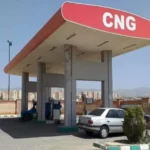
According to the Chairman of the Board of the Iranian CNG Association, the use of compressed natural gas (CNG) is currently saving the country around 6 million liters of gasoline per day.
Reuters reported that India has made its first purchase of Iranian oil in seven years — and completed the payment without any issues.
American banking giant JP Morgan has warned that if disruptions to oil transit through the Strait of Hormuz persist until mid-May, crude oil prices could surge to more than $150 per barrel.
The Public Relations Office of the Mahshahr Special Economic Petrochemical Zone announced that the fire which broke out in several petrochemical companies in the zone — following an attack — has been completely brought under control and extinguished.
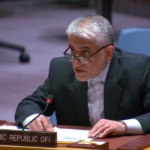
Iran’s Ambassador and Permanent Representative to the United Nations sent a letter to the UN Secretary-General and other senior officials of the international body, stating that the American and Israeli attacks on the Karaj “B1” bridge and the Mahshahr Petrochemical Complex constitute war crimes and a clear act of state terrorism.
Brent crude futures rose by $1.38 (1.95%) to $72.13 per barrel. US West Texas Intermediate (WTI) crude futures increased by $1.40 (2.15%) to $66.61 per barrel.
Iran’s annual consumer price inflation rate stood at 46.3 percent in the 12 months ending in February 19, 2026, the Central Bank of Iran said.
Iran’s crude oil and condensate exports rose to 2.2 million barrels per day (bpd) in February, up 50 percent from the average of the previous three months, according to data from energy cargo tracking firm Kpler.
India wants to buy any energy product it can from Canada and its officials are urging the federal government to streamline approvals for various projects so it can tap into new supplies to feed a rapidly growing country with relatively few natural resources of its own.