A deputy minister of Iran’s Energy Ministry said electricity imports from Turkey could be a useful opportunity to meet the power needs of the country’s petrochemical plants.
Mobin Energy Persian Gulf said its operating capacity recovered to about 60% in July–August 2026 after an attack on the Asaluyeh utilities complex that the company attributed to the United States and Israel.
Jam Petrochemical’s heavy polyethylene unit 2 (HDPE2), the former Mehr Petrochemical asset, has returned to production after months offline and is running at 105% of nameplate capacity.
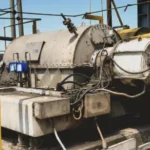
A decanter centrifuge built for the high-density polyethylene (HDPE) unit at Bandar Imam Petrochemical has entered commercial service after installation, commissioning and operating tests.
Aghajari Oil and Gas Production Company has completed safety work on naphtha and LPG pipelines that supply feedstock to petrochemical units in Mahshahr, Managing Director Seyed Mohsen Dehbanpour said.
Persian Gulf Petrochemical Industries Company (PGPIC) recorded product sales of 931.463 trillion tomans in the Iranian year 1404 (ended March 20, 2026), the highest figure in the group’s history, even as wartime conditions hit Iran’s petrochemical sector.
Pardis Petrochemical, listed in Tehran as Shapdis, recorded one of its strongest monthly revenue performances in August 2026, Codal filings show, with sales more than doubling from July on a surge in urea exports.
HD Hyundai Chemical and Lotte Daesan Petrochemical have completed their integration to establish H&L Advanced, marking the first major restructuring case in South Korea’s petrochemical industry. The new company aims to improve operational efficiency, reduce costs and accelerate a strategic shift from commodity petrochemicals toward specialty and higher-value-added materials.
Trading in Iran’s first methanol warehouse receipts began with an offering of 2,500 tons of methanol in the form of 2.5 million deposit certificates issued by Sabalan Petrochemical on the Iran Energy Exchange.
Amir Akbari, managing director of Iran’s Jam Petrochemical Company, issued a message stressing that reliable utility supply is essential to continued petrochemical output and calling the successful startup of the eighth boiler at Persian Gulf Mobin Energy a display of Iranian specialists’ skill and resolve to keep production going under sanctions and threats.
The acting head of Iran’s National Petrochemical Company said construction has restarted at the Islamabad-e Gharb petrochemical project, which had been halted since February–March 2026 because of conditions created by the imposed war.
The monthly activity report of Tabriz Petrochemical Company, listed under the ticker SHTABRIZ, has been published on Iran’s Codal disclosure system. It shows the company’s revenue from product and service sales reached 21,691 billion tomans in the first five months of Iranian year 1405, covering March 21 to August 22, 2026.
Offers of F7000 grade have resumed on the Iran Mercantile Exchange after six months, following an update of product information that confirms Jam Petrochemical’s ownership of Mehr Petrochemical.
The lawmaker representing Nehbandan and Sarbisheh in Iran’s parliament said the board of Persian Gulf Petrochemical Industries Company (PGPIC) last week approved a 62 trillion toman ($investment figure as stated) investment to build a petrochemical complex in Nehbandan County.
The managing director of Iran’s Dehloran Petrochemical Company said authorities have issued a permit for the complex’s urea and ammonia project, and that the plan has moved into implementation after some of the main obstacles—including feedstock supply, financing, and letters of credit—were cleared.
Jam Petrochemical reported total sales of about 24 trillion tomans for the five months ended August 22, 2026, a figure that points to continued revenue generation at the Asaluyeh complex after a volatile start to the year.
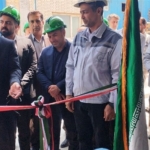
Ilam Petrochemical Company in western Iran has inaugurated a reverse osmosis (RO) water project with a combined capacity of 600 cubic meters per hour, a step officials said will improve cooling-water quality, cut raw-water use, reduce flaring, and support steady production.
At least three Indian oil refiners and a global energy major plan to stop using vessels on Iran's new blacklist, including for ship-to-ship transfers, due to security concerns, four sources with direct knowledge of the matter said this week.
Jam Petrochemical has been recognized as one of Iran’s Green Industrial Units after being selected among 287 industrial facilities evaluated nationwide—an achievement that goes beyond an environmental accolade for one of the country’s major petrochemical companies, highlighting the link between production, efficiency and corporate responsibility.