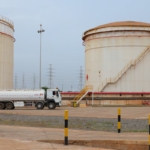
The chief executive of the Iranian Oil Terminals Company said that despite extensive attacks on the Kharg oil terminal in the third imposed war, average crude exports from the terminal rose about 10% from prewar levels and shipments never stopped.
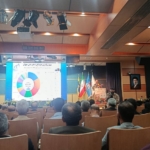
The senior assistant and adviser to the commander-in-chief said energy is not only an economic commodity but part of national power, security, and daily life, and that oil-industry employees have played an important role in securing Iran’s energy in different periods.
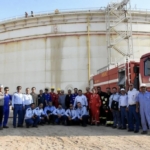
An emergency-response drill with the scenario of a fire at oil tank No. 8 was held to assess the readiness of Iranian Offshore Oil Company operations and firefighting crews on Kharg and to raise coordination among units in the Kharg operating area.
The chief executive of the National Iranian Oil Company described what he called an uneven war against Iran’s oil infrastructure, said production has stayed stable and an eight-year oil-output record has been broken, and dismissed rumors of disruption at oil facilities.
Brent crude futures fell 87 cents, or 0.82%, to $105.73 a barrel. U.S. West Texas Intermediate (WTI) futures dropped $1.56, or 1.65%, to $93.05 a barrel.
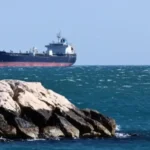
The TankerTrackers account said the United States has taken 6 million barrels of Iranian oil from tankers it seized in the Indian Ocean in April–May 2026.
Saudi Arabia has sold close to 100 million barrels of crude for October and November delivery to Asian customers after a temporary shutdown of its East-West oil pipeline forced the kingdom to move more oil through the Strait of Hormuz, the waterway off Iran.
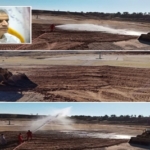
The chief executive of the West Oil and Gas Production Company said a project to clean contaminated soil in the Naftshahr operating area is using new environmental technologies.
Brent crude futures fell 78 cents, or 0.79%, to $98.47 a barrel. U.S. West Texas Intermediate (WTI) crude futures fell $1.21, or 1.34%, to $89.31 a barrel.
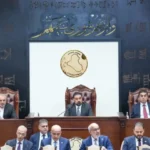
The spokesman for parliament’s internal affairs and councils committee said lawmakers will question the oil minister on why long-term contracts to sell Iranian oil to China were canceled.
The chairman of parliament’s energy committee said two questions for the oil minister remain before the panel and that issues raised by the lawmakers from Shazand and Shush will be examined in specialized subcommittees with the questioning members and the committee’s presiding board present.
Brent crude futures fell $2.01, or 2%, to $98.33 a barrel. U.S. West Texas Intermediate (WTI) crude futures dropped $2.50, or 2.61%, to $93.28 a barrel.
Iraq’s oil minister said the ministry has lifted crude exports from no more than 200,000 barrels a day, during wartime conditions in the Persian Gulf, to more than 4 million barrels a day.
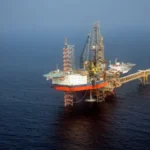
Pars Oil and Gas Company has brought a third new offshore drilling rig into Iran’s territorial waters despite international restrictions, raising the number of rigs active on the company’s projects to 13.
An integrated production services (IPS) contract between the Oil Exploration Operations Company and Dasht Azadegan Arvand Oil and Gas Development Engineering has opened a new phase of cooperation on conservation production and higher recovery at Iran’s Azadegan oil field.
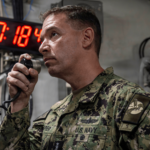
The commander of U.S. Central Command said Saturday that the United States has facilitated the shipment of “one billion barrels” of crude in recent months, even as Washington continues to draw on its Strategic Petroleum Reserve to cover a global oil shortfall.
The chief executive of the National Iranian South Oil Company said support for education and students is part of the oil industry’s approach to sustainable development and neighboring communities, adding that more than 6 trillion tomans in social-responsibility projects have been carried out in Iran’s southern oil-producing regions since the start of the 14th government.