IEA slashes 2026 supply forecast as Hormuz reopening remains elusive
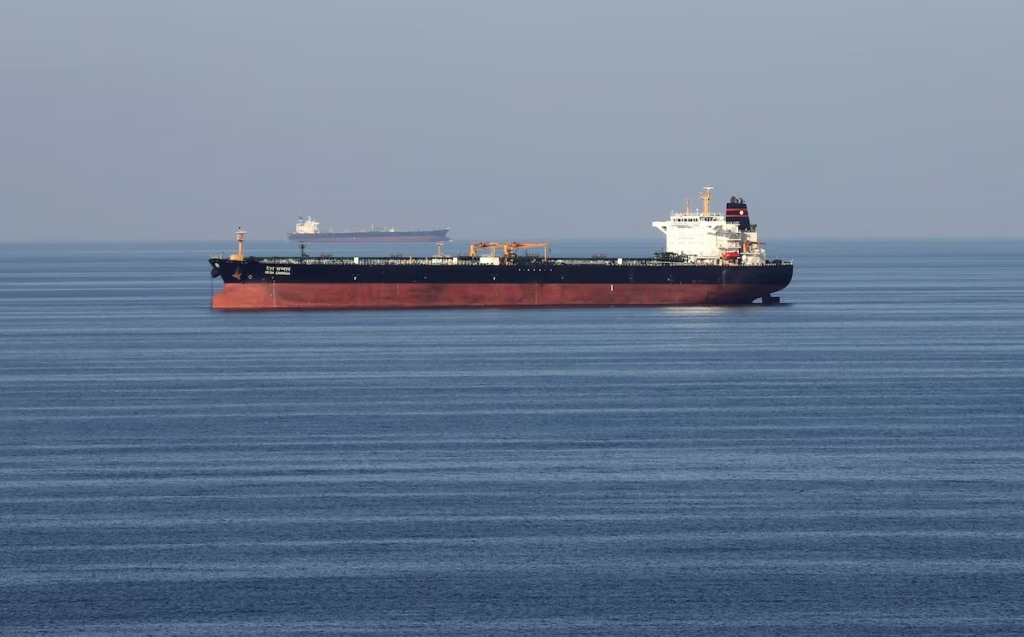
RoydadNaft – Global oil supply will fall by 4.3 million barrels per day, or around 4%, this year, the International Energy Agency said in its monthly oil market report on Wednesday, as renewed hostilities in the Middle East are set to plunge the world deeper into an oil-market deficit.
The expected supply drop compares with the 3.7 million bpd forecast in the IEA’s July report, and will take total supply to the IEA’s lowest forecast yet for this year at 102.02 million bpd.
That would put global oil supply around 1.27 million barrels per day below demand this year, widening from an 860,000 bpd deficit implied from the IEA’s July forecasts.
MIDDLE EAST RECOVERY UNDER THREAT
Middle East oil loadings had recovered to 20 million bpd at the start of July – broadly in line with pre-war Hormuz traffic – the IEA said, but dropped back to 12 million bpd later in the month.
Middle East production was 8.3 million bpd below pre-war levels in July, the IEA added, compared with 14 million bpd of lost output at the peak of the crisis.
“The nascent recovery underway from mid-May narrowed the supply deficit in June, but renewed hostilities undermined trade flows and tightened the 3Q26 balance.”
The IEA expects an oil market deficit of 1.8 million bpd over July-September, marking a 1 million bpd downward revision from its July forecast.
That would be the deepest quarterly deficit since the fourth quarter of 2021, data from the IEA’s annual statistical supplement, also published on Wednesday, imply.
However, the Paris-based agency sees global oil supply outstripping total demand by 4.61 million bpd next year, assuming de-escalation in the coming months.
That surplus could allow oil stocks to recover to their February 2026 level by the middle of next year, the IEA said, after 410 million barrels of cumulative stock draws since the Iran war started.
RESTRICTED PRODUCT FLOWS HIT DEMAND
The IEA now expects global oil demand to contract this year by 1.6 million bpd, from a roughly 1 million bpd drop in its July report.
Restricted supplies of refined fuels, and higher prices, have curtailed oil demand, the IEA said, with naphtha and gasoil the worst-hit products, and Asia and the Middle East bearing the brunt of the year-on-year declines.
Russian oil refining remained close to a 20-year low at 3.9 million bpd in July as Ukrainian drone attacks have hit most refineries west of the Urals mountains.
As a result Russian fuels exports slumped to 1.4 million bpd in July, almost half of July 2025 levels, while crude exports hit a record high of 4.8 million bpd.