IRAN Feed Atom

Iran’s crude oil production rose by 26,000 barrels per day in July 2026, reaching 2.478 million barrels per day and maintaining the country’s position as OPEC’s second-largest producer after Saudi Arabia, according to the organization’s latest monthly oil market report.
The Vice-Chairman of the Transportation, Transit, and Logistics Committee of the Iran Chamber of Commerce, while outlining the achievements of the Iranian economic delegation's trip to Pakistan, stated that a new roadmap for Iran-Pakistan logistics cooperation was developed during this visit, with the expansion of transit and trade placed at the center of negotiations.
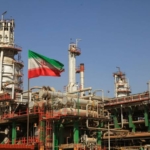
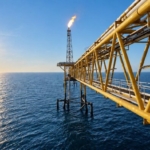
Simultaneously with the continued production on South Pars platforms, reconstruction operations at the damaged refineries are underway with accelerated speed, aimed at restoring lost capacity and preparing the country's gas network for the cold season.
President Masoud Pezeshkian said Saturday that managing resources and securing public cooperation will be essential to decisions about the future of fuel supplies, warning that Iran must be prepared to manage shortages if production and imports remain constrained.
The CEO of the National Iranian Oil Products Refining and Distribution Company underscored the strategic role of the Abadan Refinery in ensuring a stable fuel supply and accelerating development projects during a visit to the southern city.
President Masoud Pezeshkian has identified the expansion of clean energy, the reform of the subsidy system, and the restructuring of public administration as the three central pillars of Iran’s economic transformation agenda, stressing that the government has already embarked on the reform process and will not reverse course.
President Masoud Pezeshkian said energy imbalance was among the most significant challenges facing his administration during its first two years in office, alongside war, sanctions, water shortages and drought, as he reflected on the government's record ahead of the third year of his presidency.