Iran’s President Unveils Three Pillars of Economic Reform: Clean Energy, Subsidy Overhaul, and Governance Restructuring
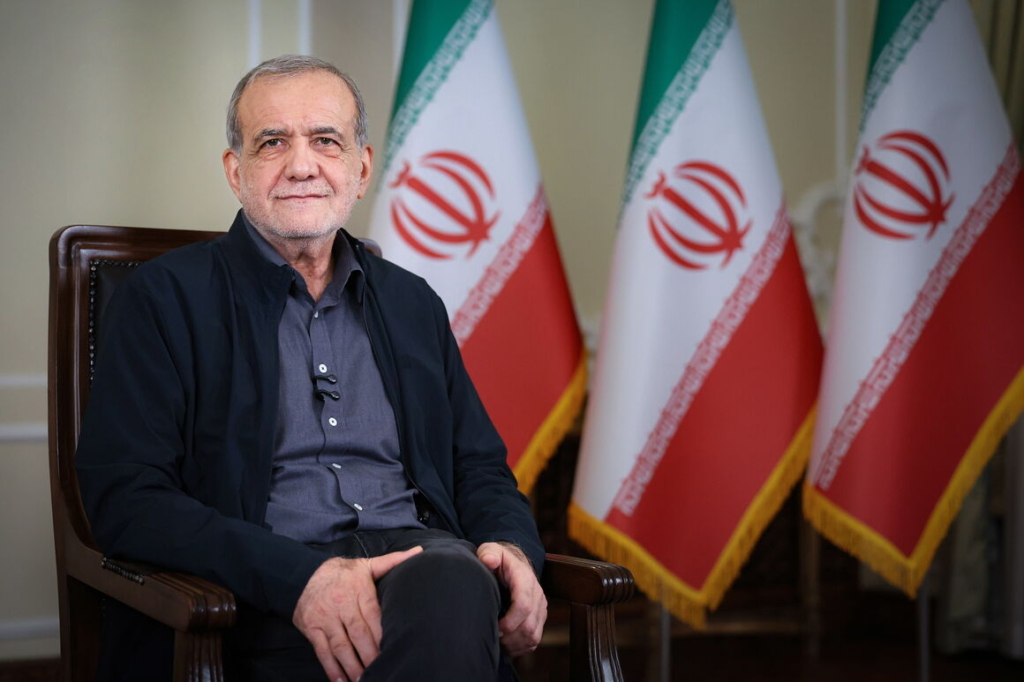
RoydadNaft – President Masoud Pezeshkian has identified the expansion of clean energy, the reform of the subsidy system, and the restructuring of public administration as the three central pillars of Iran’s economic transformation agenda, stressing that the government has already embarked on the reform process and will not reverse course.
According to Roydad Naft, during the second part of his televised address to the nation on the evening of August 6, 2026, President Pezeshkian outlined the government’s roadmap for comprehensive structural economic reforms. The plan covers key sectors including energy, banking, subsidy policies, privatization, the governance of state-owned enterprises, and transportation infrastructure.
Reflecting on the conditions inherited by his administration, Pezeshkian said, “We took office under circumstances in which the country was expected to face widespread electricity, water, and natural gas shortages during the winter. Our total strategic energy reserves stood at 1.2 billion liters, and experts warned that these reserves would not last beyond November.”
He said the anticipated crisis was contained through public cooperation in reducing energy consumption and by strengthening the country’s power generation capacity.
The president highlighted progress in the development of solar energy, noting that nearly 7,000 megawatts of solar power capacity has been brought online, representing an investment of approximately $7 billion.
“We had originally planned to install 30,000 megawatts of solar capacity, but various challenges prevented us from reaching that target,” he said. “The national development plan sets a five-year target of 12,000 megawatts, and we remain committed to addressing Iran’s energy challenges through clean energy to the fullest extent possible.”
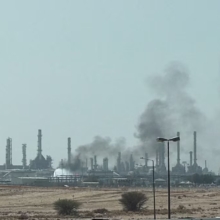
Pezeshkian also referred to attacks targeting power plants and a daily reduction of nearly 230 million cubic meters in natural gas supply. Despite these pressures, he said electricity outages have remained limited, adding that the government has prioritized maintaining uninterrupted power supplies for industrial facilities and manufacturing workshops. He also confirmed that contingency plans are being implemented to manage potential natural gas shortages during the coming winter.
Addressing subsidy reform, the president argued that energy and essential commodity subsidies are disproportionately consumed by higher-income households rather than reaching those most in need.
“We have no choice but to implement these reforms,” he said. “If we fail to make the right decisions regarding water, electricity, natural gas, gasoline, and diesel, the challenges facing the country will only become more severe.”
Concluding his remarks, Pezeshkian emphasized the importance of fairness in the allocation of public resources and called on the Iranian people to support the government as it moves forward with its reform agenda.