Brent crude futures rose $1.40, or 1.7%, to $84.95 a barrel. U.S. West Texas Intermediate (WTI) crude futures gained $1.33, or 1.7%, to $79.51 a barrel.
The CEO of the National Iranian South Oilfields Company said 13 downhole pumps were installed during the first four months of the current year, with plans to install 40 by year-end.
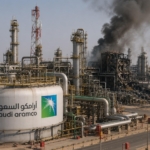
Firefighters extinguished a fire that broke out early on Sunday at a facility at Aramco's Jazan refinery in southwestern Saudi Arabia, the Saudi Energy Ministry said, adding that there were no injuries.
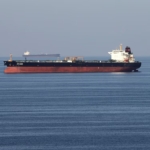
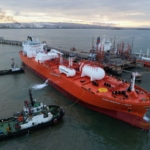
The United Arab Emirates on Saturday condemned what it said was an Iranian attack on a carrier linked to its state oil company as it passed through the Strait of Hormuz, accusing Tehran of "acts of piracy".
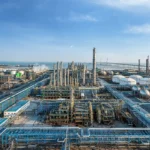
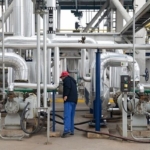
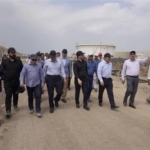
The CEO of the National Iranian Oil Products Refining and Distribution Company underscored the strategic role of the Abadan Refinery in ensuring a stable fuel supply and accelerating development projects during a visit to the southern city.
Brent crude futures rose 80 cents, or 0.97%, to $83.29 a barrel. U.S. West Texas Intermediate (WTI) futures gained 64 cents, or 0.83%, to settle at $77.93 a barrel.
U.S. crude oil imports from Saudi Arabia fell to zero in July, marking the first time since 1985 that the United States has not imported Saudi crude, following disruptions to the kingdom’s oil exports and escalating tensions in the Persian Gulf.
Brent crude futures rose 46 cents, or 0.58%, to $79.91 a barrel. U.S. West Texas Intermediate (WTI) futures gained 36 cents, or 0.48%, to $75.58 a barrel.
Persian Gulf countries' crude oil and condensate exports were largely steady in July and remained about 40% below pre-war levels, shipping data showed, with signs of a slowdown emerging in the second half of the month as fighting in the region intensified again.
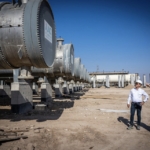
Iran has finished construction on the final two processing trains of its Central Treatment and Export Processing (CTEP) unit at the South Azadegan oil field, bringing the country's largest crude processing facility to the brink of full operation, oil officials said.
Brent crude futures fell 92 cents, or about 1.2%, to $78.44 a barrel. U.S. West Texas Intermediate (WTI) futures dropped $1.07, or 1.4%, to $74.70 a barrel.
The head of the National Iranian Oil Refining and Distribution Company (NIORDC) stressed the need to speed up strategic reconstruction projects at damaged oil facilities to ensure steady fuel supplies, particularly to Tehran and the country's northern provinces.
Brent crude futures rose $1.12, or 1.3 percent, to settle at $84.89 a barrel. U.S. West Texas Intermediate (WTI) crude futures gained 77 cents, or 1 percent, to reach $81.11 a barrel.
Venezuela's oil exports fell slightly to 1.16 million barrels per day in July from 1.2 million bpd the previous month as the country drained fewer inventories, but exports to the U.S. jumped to some 786,000 bpd, the highest since early 2019, shipping data showed on Monday.
Washington's desperate bid to tame oil prices through strategic reserve releases is doomed to fail, experts warn, as Iran's commanding position in the Strait of Hormuz renders American threats increasingly hollow.
Brent crude oil futures fell $4.49, or 5.11%, to $83.44 a barrel. U.S. West Texas Intermediate (WTI) crude futures dropped $4.90, or 5.79%, to $79.77 a barrel.
Turkey and Iraq signed a one-year agreement on maintaining use of the crude oil pipeline between the two countries, Turkish Energy Minister Alparslan Bayraktar said on Saturday.
Iran’s Oil minister praised the oil industry's efforts to rebuild refineries damaged during the war and stressed the need for continued project management meetings and regular progress reporting.
Top U.S. oil producers ExxonMobil and Chevron warn that global supplies of diesel and other refined products will likely remain tight and lead to persistently high prices in the second half of the year as the Iran war continues to cause major energy disruptions.