Oil and Gas Tankers Turn Back From Strait of Hormuz After Fresh Vessel Attacks

RoydadNaft – The Strait of Hormuz remains the world’s most critical oil shipping route, carrying roughly one fifth of global oil and a significant share of liquefied natural gas exports.
The Strait of Hormuz remains the world’s most critical oil shipping route, carrying roughly one fifth of global oil and a significant share of liquefied natural gas exports. Shipping through the waterway has faced repeated disruptions since the Iran United States conflict erupted earlier this year, with attacks on commercial vessels, military strikes and growing security risks threatening global energy supplies.
The latest tensions intensified after reports that Iran launched missiles at ships near the strait, damaging a Qatari liquefied natural gas tanker and a Saudi flagged crude oil tanker. Maritime security agencies subsequently raised the threat level for vessels transiting the waterway to “severe,” prompting ship operators to reassess voyages through the Gulf.
Overview
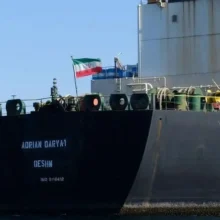
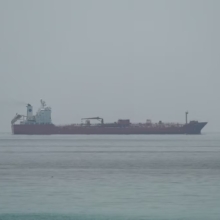
At least four oil and gas tankers turned back from the Strait of Hormuz after renewed attacks on commercial vessels heightened security concerns in one of the world’s busiest energy corridors.
Ship tracking data showed three empty liquefied natural gas tankers operated by QatarEnergy reversed course before reaching the strait, while an Indian flagged oil tanker carrying two million barrels of Kuwaiti crude also made a U turn near the entrance to the waterway.
The diversions underline growing concerns among shipping companies despite some tankers continuing to transit the strait.
QatarEnergy LNG Tankers Reverse Course
Three QatarEnergy controlled liquefied natural gas carriers, Al Ghariya, Duhail and Al Ruwais, were approaching the Strait of Hormuz before changing direction late on Tuesday.
The vessels were travelling empty and heading towards Qatar’s Ras Laffan export terminal to load LNG cargoes before abandoning their planned transit.
The decision highlights the increasing caution among ship operators as security risks escalate.
Crude Oil Tanker Also Changes Course
An Indian flagged very large crude carrier transporting approximately two million barrels of Kuwaiti crude also reversed course near the Strait of Hormuz.
Ship tracking data showed the tanker turning around off the coast of Oman rather than continuing through the strategic waterway.
The move demonstrates that concerns are affecting both LNG and crude oil shipments.
Some Tankers Continue Sailing
Despite the heightened risks, not all shipping has stopped.
The very large crude carrier Tenjun, carrying about two million barrels of Qatari crude, successfully exited the Strait of Hormuz on Tuesday.
Another tanker, Pertamina Pride, transporting approximately two million barrels of Saudi crude, also left the Gulf after switching off its tracking transponder.
These voyages indicate that while shipping continues, operators are increasingly adopting additional security measures.
Growing Queue of Waiting Vessels
Shipping analysts said congestion is building outside the Gulf.
More than 10 empty LNG carriers have accumulated near Qatar’s Ras Laffan export terminal awaiting improved security conditions before loading cargoes.
Analysts also reported that more than 50 QatarEnergy and ADNOC controlled ballast vessels are positioned around the Gulf, India and the Strait of Malacca, with several ships switching off their Automatic Identification System signals for extended periods.
The growing number of waiting vessels reflects rising uncertainty across regional energy supply chains.
Energy Exports Remain Below Normal Levels
Although LNG exports have continued since fighting began earlier this year, volumes remain well below normal.
Only a limited number of cargoes have successfully departed from Qatar’s Ras Laffan terminal and the United Arab Emirates’ Das Island export facility compared with typical monthly shipping levels.
The slower pace highlights the continuing impact of regional instability on global energy flows.
Why It Matters
The Strait of Hormuz is one of the world’s most important energy chokepoints, making any disruption a major concern for global oil and gas markets.
If more shipping companies delay or suspend voyages through the strait, energy supplies could tighten, shipping costs could rise and oil and natural gas prices may come under renewed upward pressure.
The diversions also signal that maritime security concerns remain high despite continued efforts to keep the waterway open.
Stakeholders
- QatarEnergy — Facing disruptions to LNG export operations.
- ADNOC — Monitoring shipping conditions for UAE energy exports.
- Global Shipping Companies — Balancing commercial operations against rising security risks.
- Oil and LNG Importers — Watching for potential supply disruptions and higher transportation costs.
- Energy Markets — Sensitive to any prolonged interruption in Gulf exports.
What’s Next
Shipping companies will continue assessing security conditions before allowing additional vessels to enter the Strait of Hormuz.
Maritime security agencies are expected to maintain heightened threat warnings while regional military tensions persist.
Global energy markets will closely monitor tanker movements, insurance costs and export volumes for signs that disruptions could become more prolonged or begin affecting international fuel supplies.
With information from Reuters.