Bloomberg reported that Saudi Arabia’s crude oil exports in August dropped to their lowest level in nine years.
OIL Feed Atom
Brent crude futures rose 9 cents, or 0.1%, to $94.74 a barrel. U.S. West Texas Intermediate (WTI) crude futures fell 19 cents, or 0.21%, to $90.03 a barrel.
Iran’s firm policy is that if its oil is not exported, oil from any country that is a partner and accomplice of the United States in interventionist and destabilizing actions against Iran will not be exported either.
Brent crude futures rose 66 cents, or 0.7 percent, to $91.15 a barrel. U.S. West Texas Intermediate (WTI) crude futures rose 70 cents, or 0.8 percent, to $86.46 a barrel.
The managing director of the Iranian Oil Terminals Company said the firm has followed a coordinated two-year program to bring idle capacity back into service, protect strategic infrastructure, and strengthen operations. He said the core strategy has been to return existing assets to the operating cycle and create stable conditions for the company’s strategic missions.
The engineering and construction manager of Iran’s Offshore Oil Company said two new wells on the F18 satellite platform in the Foroozan field have come on stream, lifting Iran’s oil production from the shared field by about 2,000 barrels per day.
The spokesman for the Presiding Board of Iran’s parliament said Tehran will not stand idle in the face of economic pressure, called any cooperation with what he described as America’s oppressive sanctions a red line, and warned that the Islamic Republic will use strategic tools such as control of the Strait of Hormuz to defeat Washington’s efforts to offset military setbacks through economic means.
Brent crude futures rose $2.21, or 2.51 percent, to $90.31 a barrel. U.S. West Texas Intermediate (WTI) crude futures rose $1.83, or 2.19 percent, to $85.23 a barrel.
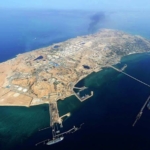
The CEO of the National Iranian Oil Company (NIOC) has dismissed Donald Trump’s claim that Iran’s Kharg Island has been wiped out, saying Trump’s posts are laughable. Conditions on Kharg are calm and stable, he said, and oil operations on the island have not been halted even for a moment.
Ahmad Moradi, a member of parliament’s Energy Commission, said Iran’s petroleum industry—despite damage to facilities—did not halt production or energy supply. Instead, it kept crude oil and gas flowing and maintained oil exports.
The managing director of Iran’s Arvandan Oil & Gas Company said development of the Susangerd oil field has begun with the startup of Well No. 4, targeting 18,000 barrels per day in the first phase, with higher output planned in later stages.
Venezuelan interim President Delcy Rodriguez said on Saturday that an energy agreement with the U.S. would remain in force for 25 years, target an increase in crude output to 1.5 million barrels per day (bpd) and preserve the country's sovereignty over its natural resources.
The CEO of Iran’s National Iranian South Oil Company (NISOC) said the firm’s crude oil production capacity has risen by 120,000 barrels per day over the past two years despite restrictions and crisis conditions, and that seven new contracts will add another 380,000 bpd.
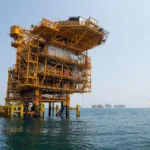
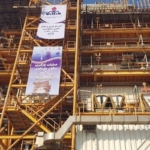
Loading and transport operations began for the 2,300-ton Q4 living quarters platform, part of the Reshadat oil field development project, at the Iran Marine Industrial Company (SADRA) yard in Bushehr.
A member of the Energy Committee of the Parliament stated that the discovery of new hydrocarbon reserves indicates that the development of the oil industry has not come to a halt even under wartime conditions.
Brent crude futures fell 60 cents, or 0.67%, to $89.10 a barrel. U.S. West Texas Intermediate (WTI) crude futures dropped 64 cents, or 0.77%, to $82.89.
Iran’s Supreme National Security Council secretary said the country exported about 80 million barrels of oil during the ceasefire period.
Iran’s oil minister said crude sales and deliveries are still moving outside the country’s territorial waters.
Hamid Bovard, CEO of the National Iranian Oil Company, said crude loadings at Kharg Island never stopped during the 40-day Ramadan war despite attacks on export facilities — and volumes rose more than 10 percent from prewar levels.
Brent crude futures fell $1.07, or 1.2%, to $86.77 a barrel. U.S. West Texas Intermediate (WTI) crude futures dropped $1.13, or 1.4%, to $81.10 a barrel.