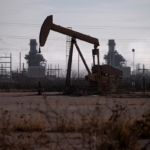
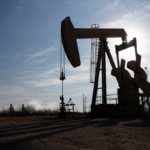
Brent crude futures fell 73 cents, or 1.1 percent, to $69.04 a barrel, while U.S. West Texas Intermediate crude fell 66 cents, or 1 percent, to $67.49 a barrel.
The U.S. depends on Canadian oil imports, despite comments by President Trump that the U.S. does not need to import goods including oil and gas from Canada, Cenovus Energy CEO Jon McKenzie said Tuesday, according to Reuters.
India's natural gas consumption is likely to rise by close to 60 per cent by 2030 and more than double by 2040, on the back of rise in usage of the fuel as CNG in automobiles and for cooking and industrial purposes, according to a study by oil regulator PNGRB.
The CEO of the National Iranian Oil Company (NIOC) announced that the NGL 3100 project will soon enter its initial launch phase, emphasizing its key role in developing the gas value chain in western Iran.
Brent crude futures rose 9 cents, or 0.1 percent, to $66.96 a barrel, while U.S. West Texas Intermediate crude rose 18 cents, or 0.3 percent, to $65.16.
India’s state-run refiners are planning to order 10 domestically-built vessels to transport fuels around the country as the government pushes ahead with its ambition to expand the shipbuilding industry.
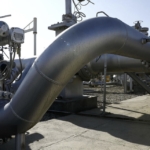
The NISOC's deputy of operations announced that the 36-inch Ahvaz-Omidiyeh export pipeline has been reassigned to transport heavy oil after the commissioning of a new 30-inch pipeline for light oil.
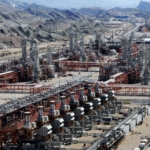
Daily gas extraction from South Pars Phase 11 has risen by 60% during the first 10 months of the 14th administration, increasing from 12 million cubic meters (mcm) to 20 mcm per day.
Indian oil and gas sector is likely to see strong growth through the fiscal years 2026 and 2027, despite significant volatility faced by the oil and gas market last month, said a research note by Systematix Institutional Equities.
An analysis of gas consumption data from May 31-June 6, shows that the average daily gas consumption by power plants exceeded 281 million cubic meters, peaking on June 2 at over 287 million cubic meters—the highest recorded level.
From June 2 to 7, more than 801 million liters of gasoline were distributed and consumed across the country, bringing the average daily consumption during this period to over 133 million liters.
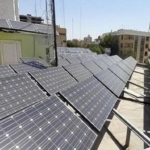
Iran has equipped 1,239 government offices with solar panels as part of a nationwide energy-saving initiative, an official from the state-run Power Generation, Distribution and Transmission Company (Tavanir) said.
Enhanced Oil Recovery (EOR) techniques have become indispensable in the global oil industry, particularly as conventional oil reserves dwindle and the energy demand continues to rise.
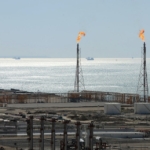
The manager of Refinery 11 at the South Pars Gas Complex described the reduction in gas flaring as significant, stating that the volume of gas sent to flares has dropped from over 1 million cubic meters per day to less than 3,000 cubic meters.