Gazprom warned that Europe is heading into autumn and winter with sharply lower gas stocks, a situation that could cause serious problems for European countries.
The Group of Seven has called for 100 million barrels of oil to be released from strategic stocks over the next four months to curb a jump in fuel prices and sharp swings in the oil market. The step is part of an earlier decision by the countries that is now being carried out.
Qatar has extended by one more month a partial suspension of its liquefied natural gas export commitments to Asian and European markets, as shipping security in the Strait of Hormuz remains disrupted.
Indian Oil Corporation has bought 2 million barrels of Iraqi crude at a discount of about $28 a barrel to the Dubai benchmark for October 2026 delivery. The deal was done on a free-on-board (FOB) basis.
Tareq Shallal, deputy for refining and petrochemical industries at the Syrian Petroleum Company, said gasoline cargoes received at Banias port in Syria have begun moving overland to Iraq.
Saudi Arabia has sold close to 100 million barrels of crude for October and November delivery to Asian customers after a temporary shutdown of its East-West oil pipeline forced the kingdom to move more oil through the Strait of Hormuz, the waterway off Iran.
Diesel prices in markets outside the United States have risen relative to U.S. prices on the chance that Donald Trump’s administration will ban diesel exports, adding to concern that international supply could tighten.
Iraq’s oil minister said the ministry has lifted crude exports from no more than 200,000 barrels a day, during wartime conditions in the Persian Gulf, to more than 4 million barrels a day.
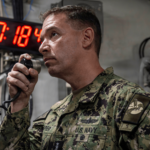
The commander of U.S. Central Command said Saturday that the United States has facilitated the shipment of “one billion barrels” of crude in recent months, even as Washington continues to draw on its Strategic Petroleum Reserve to cover a global oil shortfall.
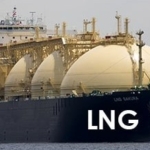
Global liquefied natural gas (LNG) prices could rise sharply this winter as European gas inventories sit at their lowest levels in years and buyers in North Asia compete more aggressively for cargoes. The Strait of Hormuz also remains closed because of the U.S. war with Iran.
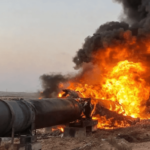
The Sept. 10 attacks on Saudi Arabia’s East-West pipeline hit several parts of the system and damaged at least one pump station, forcing Riyadh to shut a vital Hormuz bypass.
Saudi Arabia has told some European refiners that crude cargoes due to load this month have been canceled after Yemeni attacks knocked out the East-West pipeline.
Iraqi Oil Minister Basim Mohammed Khudair said the country’s crude oil export capacity has increased to more than 3 million barrels a day and that Baghdad is planning a path to 5 million barrels a day.
Several tankers carrying about 7 million barrels of oil and gas are preparing to transit the Strait of Hormuz with a U.S. escort, tanker-tracking firm TankerTrackers said Saturday.