Azar and Changuleh Crude in Iran to Feed Ilam Refineries
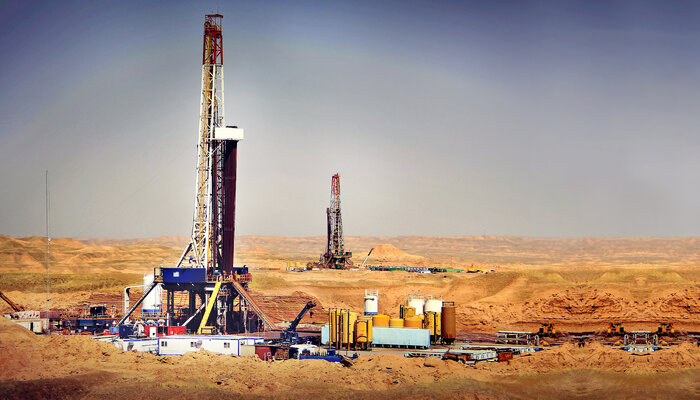
RoydadNaft – The member of parliament for Ilam said oil from the Azar and Changuleh fields will be allocated to refineries inside the province, and that after two years of follow-up the first permit for 20,000 barrels a day of feedstock has been issued to a private investor — a long step toward processing oil at the source.
According to Roydad Naft, Fereydoun Hemmati said inviting private companies and investor groups to build a refinery in the province had been on the agenda for the past two years, but feedstock allocation met administrative obstacles and the claim that Ilam had no oil reserve or quota to assign.
Managers at the time said all production capacity in the area had already been assigned to other refineries in Iran, and that taking even one barrel from those quotas would cut feedstock to plants in other regions. They also claimed the arrangement was based on national planning and that provinces should not enter the field on their own.
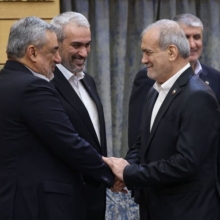
Hemmati, who represents Ilam, Ivan, Chardavol, Sirvan, Mehran, Malekshahi, Chavar, and Helilan, criticized that approach. With huge oil and gas resources, an international border, water, fertile soil, and active agriculture, the people of Ilam deserve the greatest welfare, and those capacities should first be used for the progress of the province, he said.
After talks, continuous follow-up, and long disputes, it was decided in a first stage that 100,000 barrels a day of oil at the Ahvaz pump station would be allocated to three groups of private investors for use in Ilam.
Economic specialists then found that moving that volume from the Ahvaz pump station to Ilam would impose a heavy financial and transport cost on the private sector and wipe out the project’s economics. Investors said they could not enter on those terms.
Crude from Ilam’s Azar field is sent by a state pipeline, at public expense, to the Shazand refinery in Arak, and everyone shares in it, Hemmati said. It is not logical or fair for the private sector building a refinery in Ilam to pay a steep cost to move oil from Ahvaz.
After a chain of talks, continuous meetings, and bargaining in recent months, an official final minutes was signed before the end of the week. All the feedstock quota needed from the Changuleh and Azar oil fields is to be fixed for local refineries inside the province.
Three groups of private investors are ready to enter oil refining. Allocation of 20,000 barrels a day from Azar field wells for the first group is final, and that group will start building a refinery in the very near future. Permits and feedstock for the second and third groups have also been secured and will be followed seriously in later stages.
The final aim is full processing of hydrocarbon resources at the source. The strategic outlook is to turn 200,000 barrels a day of crude into products inside the province. Startup of the refineries will create wide employment for young people, who can enter the job market with human dignity, he said.
Other complex knots remain on the province’s demands. Some have been opened, and more good news on these gains will be announced in the coming weeks.
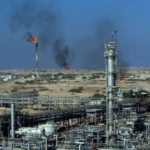
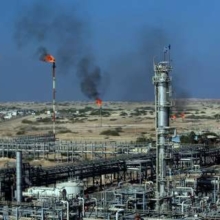
The Azar oil field lies 20 kilometers southeast of Mehran, in the Anaran exploration block, along the Iran-Iraq border, and has one of the most difficult and complex geological structures in the region. The first phase of development and full production is done. From November–December 2025, execution of the second phase began, aimed at raising the field’s daily output to 22,000 barrels.
Changuleh is another shared border reservoir in Ilam Province, in line with Azar. As a priority upstream project, it holds reserves equal to billions of barrels of oil in place.
Building a refinery and downstream oil and gas industry has long been a main demand of the people, elites, and officials of Ilam. Refining complexes, besides preventing waste of resources and steep transport costs, open the way for stable jobs for local youth and an economic jump in this border province.