Hormuz Crisis Hits Supertankers Hard: Oil Shipping Costs Rise Eightfold
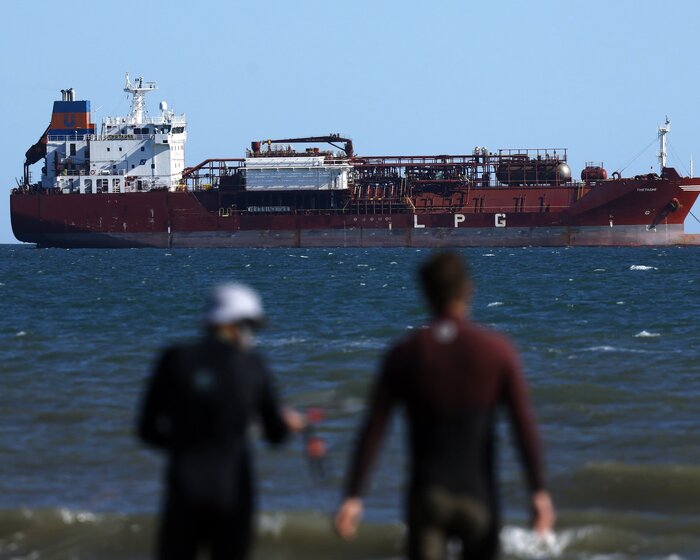
RoydadNaft – Fresh Baltic Exchange data show that chartering a very large crude carrier, or VLCC, to move U.S. oil to Asia now costs about $77 million, after disruptions in the Strait of Hormuz — closed by Iran — pushed global oil-shipping costs to unprecedented levels.
According to Roydad Naft, the New York-based online paper IBTimes reported that the disruptions have scrambled traditional shipping routes, limited access to tankers, and added a new cost layer on top of already high crude prices.
Baltic Exchange data show a VLCC charter from the United States to Asia now costs about $77 million, against an average of only $9.2 million in 2025. Freight has risen more than eightfold.
Freight alone can sharply raise the real cost of a barrel by the time oil reaches a refinery. A supertanker typically carries about 2 million barrels. At the current $77 million rate, shipping from the United States to Asia adds about $38.50 a barrel.
With crude futures above $100 a barrel, freight can add roughly another 40% to the quoted oil price before other costs of getting crude to its final destination are counted.
The jump is another consequence of the Iran war and the disruption it caused to tanker traffic in the Strait of Hormuz, one of the world’s most important energy chokepoints.
The narrow waterway links the Persian Gulf to the Gulf of Oman and the Arabian Sea and is a vital export route for oil and liquefied natural gas from major Middle East producers.
Although the United States has claimed that regional oil exports have improved somewhat in recent weeks, the tanker market is nowhere near its prewar state. Moving crude from the Middle East has become more complex and takes longer, and traders and shipping companies have had to change routes, schedules, and loading methods.
Longer distances and voyages keep tankers out of the available global fleet for longer and add to usable-capacity shortages, even if the total number of tankers in the world has not fallen.
That shortage has driven freight rates sharply higher, with effects well beyond the Persian Gulf. Refiners seeking cargoes from the United States, West Africa, and other producing regions to cover shortfalls are now competing for tankers able to make the longer runs.
At the same time, the sharp rise in freight has cut the competitive edge of crude from producers farther from main Asian markets. In West Africa, some exporters have had to discount at the loading port to offset the extra cost of shipping oil to buyers’ refineries.
Futures contracts such as Brent and West Texas Intermediate are usually a fair overall gauge of oil prices, but they mainly show the price at or near the export point. The real cost of moving cargoes thousands of kilometers, especially in a tanker market caught in unprecedented disruption, is not reflected in those prices.