Politico: European Union Faces a Severe Gas Shortage This Winter Amid Middle East Disruptions Tied to Iran
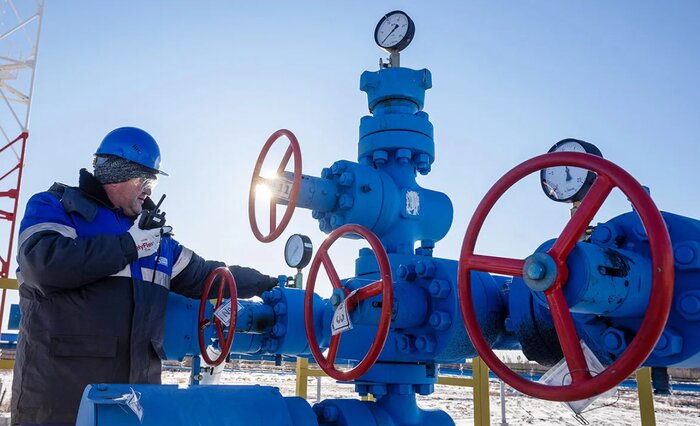
RoydadNaft – Politico, citing data from the U.S. Institute for Energy Economics and Financial Analysis (IEEFA), wrote that European Union member states may face a shortfall of up to 14 billion cubic meters of natural gas this winter, equal to about 7% of their annual demand.
According to Roydad Naft, Politico said the shortfall stems from disruption in global energy supply because of conflicts in the Middle East, including those involving Iran, higher consumption, and low stocks in European countries’ storage.
Gas in underground storage in EU members was a little over 70% full in early October, the lowest for this time of year since records began in 2011. Gas prices are also near a four-year high, and the potential shortfall equals the energy needed by 10 to 12 million European households, the report said.
Another factor is the EU ban on long-term contracts to buy liquefied natural gas from Russia, due to take effect in January 2027. That step could cut imports of the product by another 7 billion cubic meters and make conditions worse.
Politico had earlier reported, pointing to the global energy crisis and the sharp rise in prices, that the European Commission warned member states in a letter to cut gas and electricity demand to restrain prices.
Dan Jorgensen, the EU commissioner for energy and housing, wrote to the bloc’s energy ministers that with global supply limited and prices highly volatile, cutting demand can be an effective tool to rein in prices. He asked ministers to take steps to reduce gas and electricity demand for as long as needed.
There is no immediate threat to the security of energy supply in Europe, he noted, but the situation is challenging.
Europe’s gas stocks are at a historic low because conflicts in the Middle East have disrupted international gas routes and networks and put the continent on the edge of a costly winter. Storage is now at 68% of capacity, well below the 71% recorded in the same period in 2021, just before the historic energy crisis that followed the Covid-19 pandemic and the start of the war in Ukraine.
EU law requires countries to bring gas stocks to 90% of capacity by November 1. In March, the bloc eased the rules and allowed countries to aim for 80% this year instead of 90%, to avoid rushed buying and unnecessary cost increases.
Member-state steps to manage gas and electricity prices should be targeted and temporary so they do not trigger a jump in demand, the report said.