Tehran Oil Refinery Expands Water Recycling Projects, Cuts Reliance on Drinking Water to Near Zero
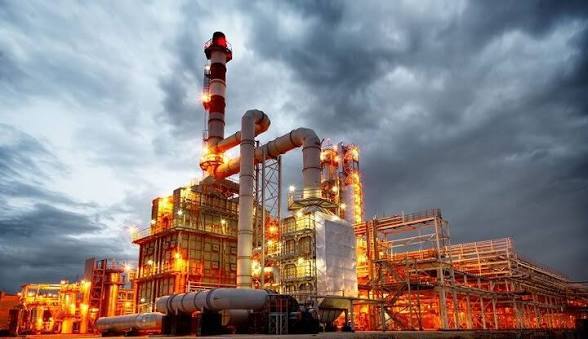
RoydadNaft – Iran’s Tehran Oil Refinery has used locally developed technologies and advanced treatment systems to convert wastewater from the South Tehran wastewater treatment plant into boiler feedwater (BFW) with quality approaching that of distilled water, achieving electrical conductivity of 2 to 10 microsiemens.
According to Roydad Naft, the development was discussed during a strategic meeting focused on industrial water resources, monitoring the balance between water consumption and available supplies across Tehran Province, and strengthening passive defense measures at critical infrastructure facilities.
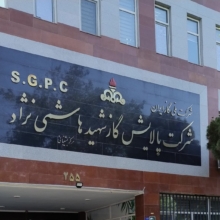
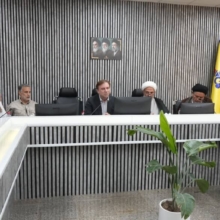
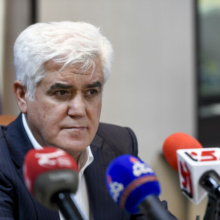
Alireza Kargari, CEO of Tehran Province’s Region 6 Water and Wastewater Company, met with Abbas Mohseni Nikogoftar, CEO of Tehran Oil Refining Company, during a visit to the refinery to discuss water-management challenges and opportunities for expanding water-reuse projects.
At the beginning of the meeting, Mohseni Nikogoftar praised the dedicated efforts and close coordination of the Region 6 water and wastewater company during recent difficult periods, particularly its crisis-management measures and cooperation with executive agencies during the Ramadan War and peak-demand periods.
He said the stability of refined-fuel production and the security of fuel supplies to the capital depend on effective coordination among government agencies and continued support from essential service providers such as water and wastewater utilities during critical periods.
Welcoming the expansion of water-recycling projects and emphasizing the refinery’s environmental and social responsibilities, Mohseni Nikogoftar outlined the company’s achievements in water management.
He said Tehran Oil Refinery has used locally developed technologies and advanced treatment processes to convert wastewater from the South Tehran wastewater treatment plant into boiler feedwater (BFW) with quality close to distilled water, with electrical conductivity ranging from 2 to 10 microsiemens.
The system meets critical water requirements for cooling systems, utility services and firefighting operations, effectively reducing the refinery’s dependence on drinking water to near zero and establishing what the company described as one of the country’s leading models of industrial water recycling.
Agriculture Accounts for More Than Half of Tehran Province’s Water Consumption
During the meeting, Kargari referred to the condition of groundwater resources and the need for a fundamental review of the province’s water-consumption patterns.
He said, contrary to common perceptions, industry accounts for only a small share of the province’s water resources. Industries in Tehran Province consume approximately 4% of total water resources, compared with a national average of about 2%, while agriculture accounts for 51.5%, or more than half of the province’s total water consumption.
Kargari added that approximately 3% of the province’s water resources is used for green spaces, with the remainder allocated to drinking and household consumption.
He said that given Tehran’s high population density and limited water resources, the expansion of traditional agriculture in the province is neither feasible nor economically justifiable.
“Our fundamental strategy is to change the way we approach water use and fully replace conventional water with recycled, standardized wastewater in industry, green spaces and the recharge of the fertile plains of Varamin and Rey,” Kargari said, adding that the objective is to preserve drinking-water resources for future generations.
More Than 11 Million Cubic Meters of Water Saved in Region 6
The Region 6 water and wastewater chief also pointed to the area’s successful water-consumption management performance last year.
He said that with strong public cooperation and smart monitoring of government agencies, more than 11 million cubic meters of water was saved in Region 6, despite water stress and declining reservoir levels.
At the same time, he said, the water allocation for the refinery and other productive industrial sectors was carefully maintained in line with national production priorities to ensure that the country’s energy cycle faced no disruption.