US and UK Sanction Two Indian Firms Over Russia’s Arctic LNG Project
RoydadNaft – In a fresh round of sanctions against Russia’s energy sector, the United States and the United Kingdom have blacklisted two prominent Indian companies, Skyhart Management Services Private Limited and Avision Shipping Services Private Limited, for allegedly supporting Russia’s Arctic LNG 2 project. The sweeping sanctions, announced on Friday, target major Russian oil producers Gazprom Neft and Surgutneftegaz, along with associated entities, and include restrictions on 183 vessels involved in transporting Russian crude oil.
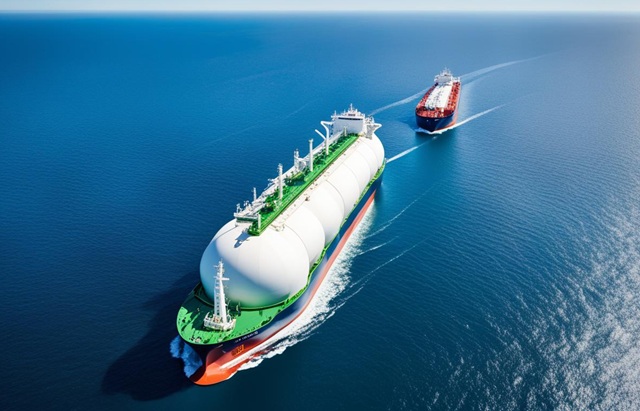
The sanctioned Indian companies have been accused of materially assisting or providing support to the Arctic LNG 2 project, a major liquefied natural gas (LNG) development partially owned by Novatek, Russia’s largest LNG producer. The project has been under US sanctions since 2023 due to its connection to Russian interests. The US State Department’s statement explained that both companies were involved in the management of LNG carriers that loaded cargo from the project, which is seen as a means to circumvent sanctions aimed at Russian energy exports.
Skyhart Management Services and Avision Shipping Services are now designated under US Executive Order 14024, which allows sanctions against foreign entities that support or assist in efforts to bolster Russia’s sanctioned projects. Avision Shipping’s vessels, Pravasi and Onyx, were also specifically identified as being tied to the company. These companies are accused of helping to obscure the ownership of LNG carriers in an effort to revitalize the Arctic LNG 2 project and facilitate the export of Russian LNG.
This marks the latest move in an ongoing effort by the US to curtail Russia’s energy revenue sources, which have been a critical component of its economy. In September 2023, two other Indian companies, Gotik and Plio Energy, were also sanctioned for similar reasons, allegedly linked to the same project. Furthermore, sanctions were placed on two vessels owned by these companies for their connections to attempts to export LNG from the Novatek project.
The US government has maintained a hard stance on sanctions related to Russia’s energy sector, even as it seeks to mitigate the impact of these sanctions on global energy markets. The sanctions on Russian tankers, however, may lead to significant disruptions in oil and LNG exports to major consumers like India and China. According to sources within the Russian and Indian oil industries, these sanctions could obstruct the transportation of crude oil and LNG, which could have far-reaching consequences for energy supplies to both nations.
India, which has emerged as one of Russia’s most important energy partners over the past two years, has greatly increased its crude oil imports from Moscow. In September 2024, India’s crude oil imports from Russia surged by 11.7%, reaching around 1.9 million barrels per day, accounting for roughly 40% of India’s total crude imports that month. India has hailed its partnership with Russia as crucial to its energy security and has signalled its intent to further bolster energy imports from the country.
In response to these sanctions, India’s Ministry of External Affairs has reiterated that the companies involved are operating within India’s legal framework and have not violated any domestic laws. The Indian government is in discussions with Washington to clarify its position on these matters, aiming to protect the interests of its domestic companies.
While the US and the EU have moved to restrict Russian energy exports, both India and China have continued to increase their energy ties with Moscow, seeking stable and affordable supplies of crude oil and natural gas. The ongoing tug-of-war between global powers over Russia’s energy resources is likely to have lasting consequences on global energy dynamics.