Identifying Emergency Fuel Cards in Iran: An End to Anonymous Fueling
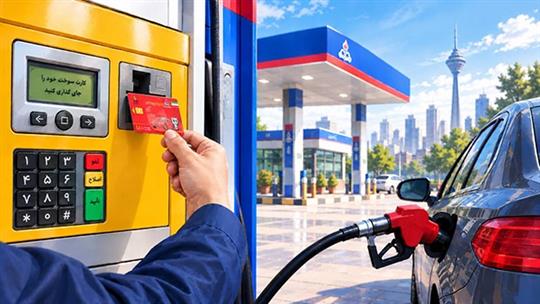
RoydadNaft – A pilot to attach identity data to emergency-card transactions at filling stations has been running in Tehran since last week, aimed at making fueling more transparent, easing public access to the emergency card, and allowing closer management and monitoring of fuel use.
According to Roydad Naft, station emergency cards have for years been a service tool for people who, for any reason, do not have access to their personal fuel card. Under the old method, the consumer’s identity was not effectively recorded in the fueling process, and over the years that left part of fuel distribution and use short of the needed transparency.
On the latest figures, in August 23–September 22, 2026, about 40% of gasoline fueling in the country was done with station emergency cards — a large share of national resources that makes a mechanism for more precise recording and analysis of those transactions more necessary than before.
With the Tehran pilot to identify emergency-card transactions, that pattern is changing. Fueling with an emergency card is moving from a transaction with little information about the consumer to one that can be identified and monitored.
Under the new mechanism, an emergency-card fueling transaction is linked to the consumer, so the fueling is no longer anonymous.
The change can also reduce problems that used to arise in how the emergency card was offered at some stations, including claims that the card was finished at certain hours, limited access to the card, and even charging people to hand over the emergency card.
One important aim is easier public access to the emergency card. Allocation of fuel to ride-hailing platforms based on performance, and to emergency vehicles, will also be made easier. Under the new mechanism, emergency-card fueling will be available around the clock and will depend less on stations’ internal processes and case-by-case decisions.
The emergency card remains a service tool, but its use will be transparent and traceable.
One of the most important effects is closer monitoring of fueling transactions. Recording time, place, and consumer makes it easier to analyze consumption patterns and spot unusual behavior.
That can be especially useful in border cities, where off-network fuel sales matter more, for identifying and managing unconventional consumption flows.
With transactions identified and matched to bank transactions, more precise policies on fuel allocation and offtake become possible. Real consumption data can be the basis for future decisions on consumption patterns, fuel-allocation planning, and management of different consumer groups.
Identifying emergency cards can be seen as a step by the refining and distribution industry toward data-based fuel management — management that rests on real fueling-transaction data rather than broad estimates.
Another aim is fairer access to fuel resources. The emergency card is meant first to serve the real consumer, and identifying transactions can reduce misuse of the cards and use outside the set framework.
The scheme does not mean abolishing the emergency card. It means making use of it smart, transparent, and traceable — a change that can both raise public satisfaction with service at stations and give a more precise tool for managing fuel resources.
The pilot began in Tehran a few days ago, and its results can be the basis for developing and refining the scheme elsewhere in the country.
Arezoo Ataei