Iran Begins Development of Susangerd Oil Field as Well No. 4 Comes Online
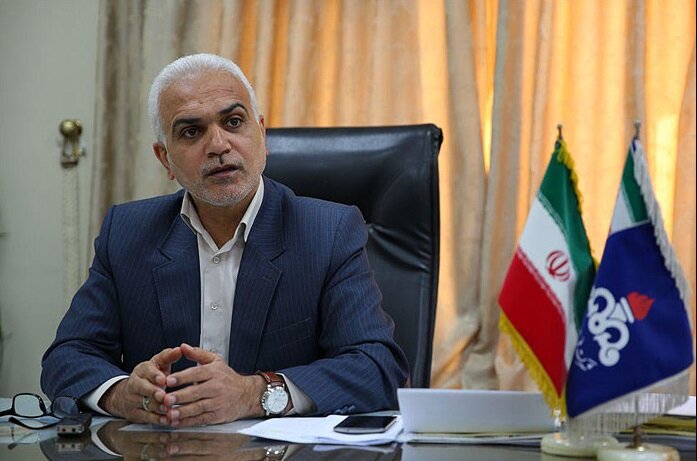
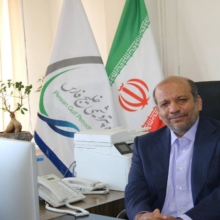
RoydadNaft – The managing director of Iran’s Arvandan Oil & Gas Company said development of the Susangerd oil field has begun with the startup of Well No. 4, targeting 18,000 barrels per day in the first phase, with higher output planned in later stages.
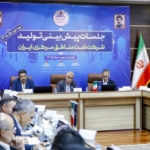
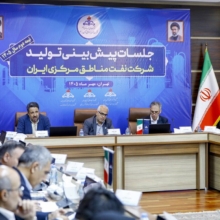
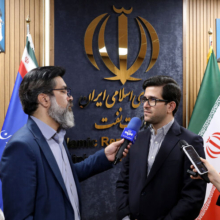
According to Roydad Naft, Hamid Deris made the remarks at a press conference marking Iran’s Government Week, outlining the company’s performance, capacities and plans. He described Susangerd’s development as one of Arvandan’s key projects, noting that the field — discovered about 20 years ago — has entered production for the first time after the drilling and workover of Well No. 4 under Arvandan’s leadership.
Deris said Arvandan’s average output last year (2025) exceeded its approved target, with the company meeting 103 percent of its production plan.
He added that, beyond hitting the overall target, actual production capacity at the Azadegan field also rose above the forecast last year.
Citing the company’s charter, Deris said Arvandan is responsible for operating and developing the fields under its management. A large share of work to sustain and raise output also falls under development, which he called a continuous and essential process in the oil industry.
He said specialized technical operations last year offset natural well decline at Azadegan.
New wells brought on stream under Arvandan specialists
Deris said that for the first time, and in cooperation with the National Iranian Drilling Company, drilling and workover operations on three wells were carried out under the leadership of Arvandan specialists.
At the Darkhovin field, Well No. 8 reached 3,000 barrels per day under the company’s leadership, he said, and Well No. 7 is scheduled to enter production within the next two months.
The startup of Susangerd Well No. 4 not only marks the field’s first production but also the operational start of its development plan, Deris said, underscoring Arvandan specialists’ ability to lead technical and development operations directly.
Darkhovin development and flare-gas reduction
Deris also announced plans to develop Darkhovin and implement Phase 3 of that field. A pipeline to move associated gas from Darkhovin and West Karun to the NGL 3200 plant is under construction; once commissioned, flaring will be reduced to a minimum, he said.
Last year, technical work by Arvandan specialists cut associated-gas flaring at Darkhovin by about 100 million cubic feet per day, with the gas sent to NGL 3200 for use by other industries.
Part of the gas is also injected into the Darkhovin reservoir for enhanced oil recovery, which he said both prevents the waste of resources and capital and helps cut environmental pollution in the area.
About 85 percent of the company’s associated gas is now collected, Deris said, with plans in place to gather the remainder and minimize flaring. Some current flaring, he added, stems from development phases and rising field output.