Oil output rises by more than 200,000 bpd
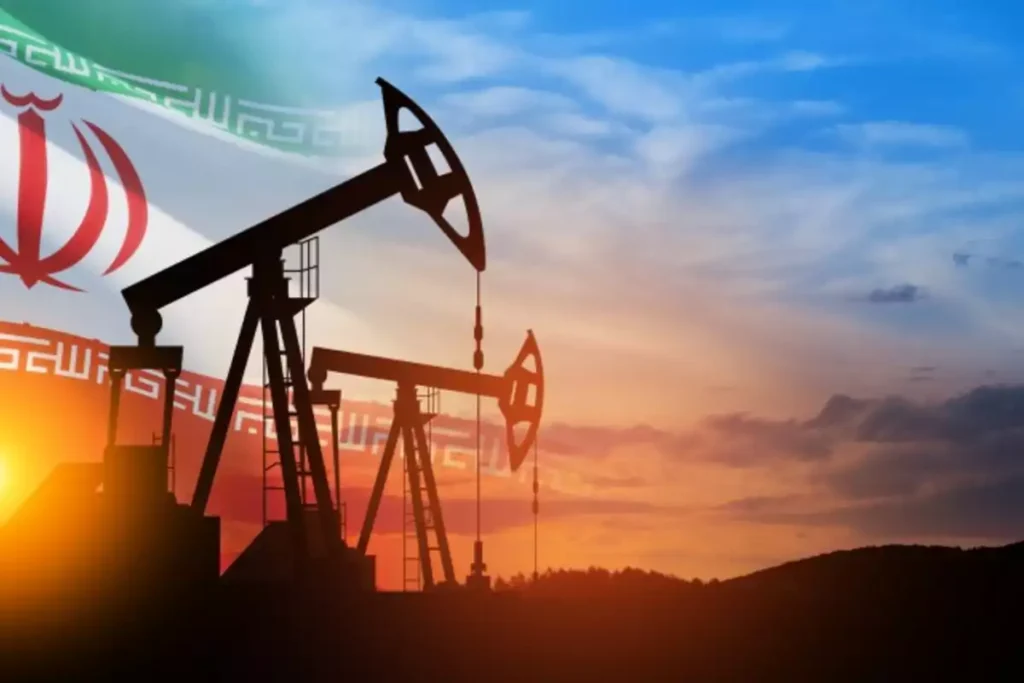
RoydadNaft – Iran has increased its oil production capacity by more than 200,000 barrels per day over the past two years, reaching its highest level in at least eight years, National Iranian Oil Company CEO Hamid Bovard said.
Bovard said the company had achieved a record level of oil production during the two years of the 14th administration, describing the achievement as unprecedented in recent years.
He said NIOC has pursued production growth through development projects and efforts to maintain existing output capacity.
Development Projects Continue
Bovard said the war disrupted some oil industry development and operational activities, but work has resumed and projects aimed at increasing production are being pursued.
He said the country’s oil production record had been broken over roughly the past 7 1/2 years, adding that NIOC’s production-increase projects are progressing as planned.
Despite financial pressures on the oil industry, Bovard said NIOC remains committed to development and production-maintenance programs to preserve and strengthen the country’s production capacity.
Gas Output Tops 1.1 bcm a Day
Bovard also pointed to a record in natural gas production, saying output exceeded 1.1 billion cubic meters per day during last winter, marking the highest level in several years.
He described the volume as significant by global standards, saying daily production of more than 1.1 billion cubic meters is comparable to the gas consumption of an entire country or a large region.
Bovard stressed that maintaining such production levels and ensuring a stable energy supply requires responsible consumption. He urged Iranians to use energy more efficiently and help the country navigate the challenges ahead.
Calls for 10% to 15% Energy Savings
Bovard said gas production entails significant costs, much of which is covered by the government and the oil industry, while most gas is supplied to consumers under subsidized pricing mechanisms.
He said increasing production alone cannot meet rising energy demand without changes in consumption patterns.
“Given the special circumstances this year” and damage sustained by some refineries and energy facilities, Bovard urged households to reduce their consumption of water, electricity, gas and gasoline.
He called for a 10% to 15% reduction in energy consumption, saying even a 10% cut would make a significant contribution to the stability of the national energy network if implemented nationwide.
Bovard said Iranians had demonstrated solidarity during the war and difficult periods and could once again contribute to a national effort through responsible energy consumption.
“If we all work together and manage to reduce energy consumption by about 10%, we can hopefully get through even the most difficult conditions this year with the fewest possible problems,” he said.