Global Crude Oil Prices Today (July 1, 2026) / Brent Crude Falls to $71.81
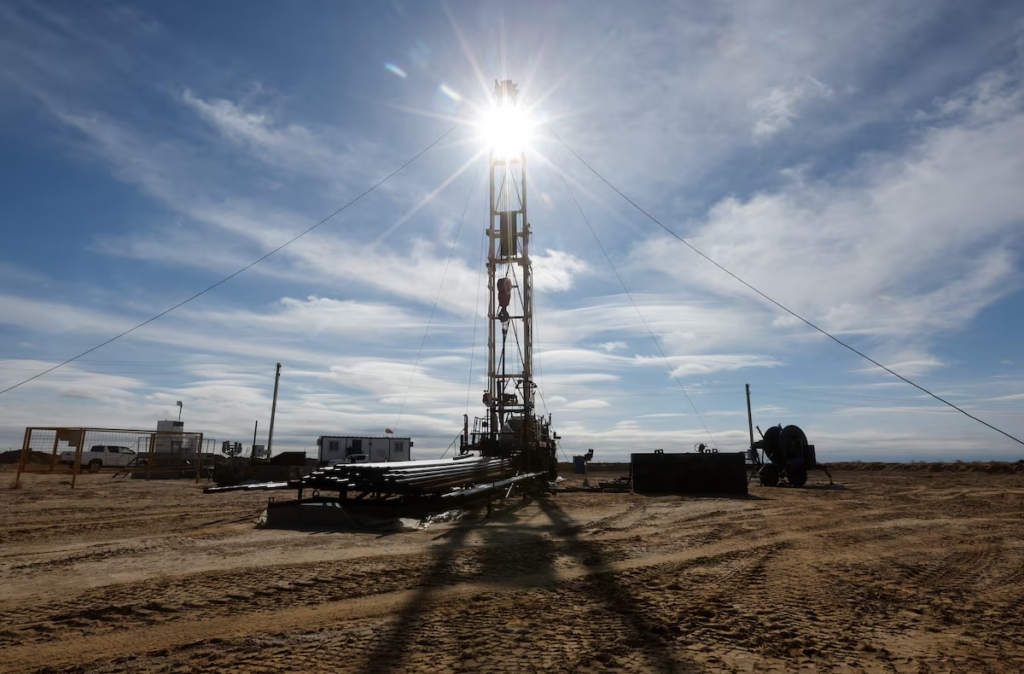
RoydadNaft – Brent crude oil futures dropped by $1.14 (1.6%) to $71.81 per barrel. U.S. West Texas Intermediate (WTI) crude futures also fell by $1.11 (1.6%) to $68.39 per barrel.
According to Roydad Naft, oil prices fell more than one percent on Wednesday as negotiations between Iran and the United States continue in pursuit of a final agreement to end the war, while the market awaits U.S. oil inventory data.
Brent crude futures declined by $1.14, or 1.6%, to $71.81 per barrel (as of 08:59 GMT), while U.S. WTI crude fell by $1.11, or 1.6%, to $68.39 per barrel.
Tamas Varga, analyst at PVM Associates, said: “The stalled negotiations between the United States and Iran have heightened concerns about fresh supply disruptions. On the other hand, investors are confident that whatever issue disrupted the talks will be resolved soon.”
He added: “Overall, the downward bias in the market remains intact, but hard data such as falling inventories or the re-closure of the Strait of Hormuz could shift the prevailing sentiment.”
Jared Kushner, son-in-law of U.S. President Donald Trump, and envoy Steve Witkoff arrived in Doha on Tuesday for what the White House described as “high-level talks.” However, Iran and host Qatar stated that they would meet with mediators rather than the Iranians themselves.
Brent crude has fallen by around $45 per barrel in the second quarter of this year — the largest quarterly drop since the 2008 global financial crisis. U.S. crude futures have dropped around $31 per barrel, marking the largest quarterly decline since 2020 during the COVID-19 pandemic, when global oil demand plummeted.
These declines come after progress in ending the Middle East conflict, following a sharp rise in prices in March at the start of hostilities.
After five consecutive months of increases, analysts have — for the first time since the start of the Iran war — lowered their 2026 oil price forecasts. A Reuters poll shows that the reopening of the Strait of Hormuz has eased concerns about prolonged supply disruptions.
Tanker traffic in this vital waterway is recovering, and U.S. Vice President JD Vance has claimed that oil flows through the Strait of Hormuz have returned to pre-war levels.
Meanwhile, markets are awaiting official U.S. oil inventory data from the Energy Information Administration (EIA), due to be released at 10:30 a.m. ET (14:30 GMT) on Wednesday. Market sources, citing data from the American Petroleum Institute (API) released on Tuesday, reported that U.S. crude inventories declined again last week.