Global Crude Oil Prices Today (June 10, 2026) / Brent Oil Price Falls to $91.36
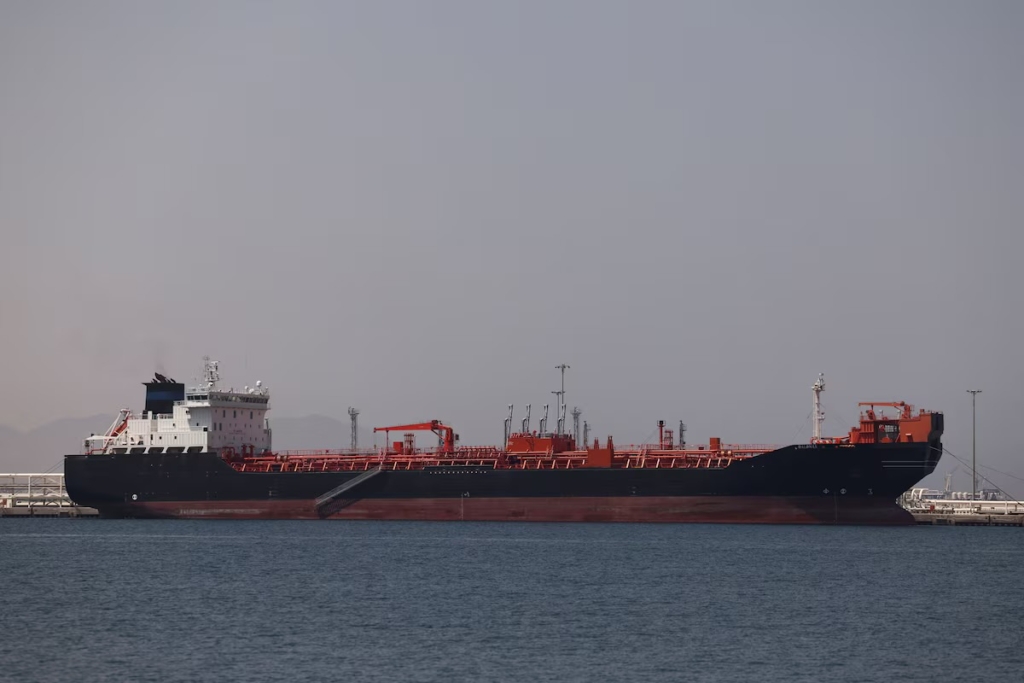
RoydadNaft – Brent crude futures fell 9 cents, or 0.1%, to $91.36 per barrel. U.S. West Texas Intermediate (WTI) crude futures dropped 10 cents, or 0.1%, to $88.10 per barrel.
According to Roydad Naft, oil prices edged lower on Wednesday after an initial gain in volatile trading. Fresh tensions between the U.S. and Iran have left the market uncertain, although expectations of a decline in U.S. crude inventories have provided some support.
Brent futures fell 9 cents, or 0.1%, to $91.36 per barrel at 06:41 GMT, while U.S. WTI crude also declined 10 cents, or 0.1%, to $88.10 per barrel.
The benchmark contracts rose in early Asian trading hours due to fresh U.S.-Iran clashes but later retreated in the same session.
Emil Jamil, senior oil analyst at LSEG, said: “The current price decline is likely due to profit-taking, although ongoing tensions and inventory signals have created a supportive floor for prices.”
The U.S. military struck Iranian targets after Donald Trump on Tuesday vowed a response to the downing of a U.S. Apache helicopter. This latest escalation threatens the fragile ceasefire between Washington and Tehran.
Priyanka Sachdeva, senior market analyst at Phillip Nova, said the latest attacks have refocused traders’ attention on war risks and potential supply disruptions.
Sachdeva added: “Although diplomatic efforts continue, the most recent military exchanges have once again introduced geopolitical risk into oil markets.”
Tehran has stated it will resume hostilities if Israeli attacks on Hezbollah in Lebanon continue. Israel’s refusal to end its campaign against the Iran-backed Hezbollah has disrupted Trump’s efforts to turn the fragile ceasefire in the broader U.S.-Israel-Iran conflict into a lasting agreement.
Commodity strategists at ING wrote in a Wednesday note: “With no near-term prospect of a deal in sight and the global oil market tightening significantly each day, we see potential for higher prices—especially if these disruptions extend into the third quarter, a period of stronger seasonal oil demand.”
Meanwhile, Tehran continues to block most shipping through the Strait of Hormuz, a waterway that normally carries one-fifth of the world’s crude oil and liquefied natural gas. Washington has also imposed its own blockade on Iranian ports.
The U.S. Energy Secretary said on Tuesday that ship traffic in the Persian Gulf and oil exports through the Strait of Hormuz are increasing, even as Washington and Tehran work toward an agreement to end their war, which has lasted more than three months.
At the same time, U.S. crude inventories fell for the eighth consecutive week last week, according to market sources citing American Petroleum Institute data released on Tuesday. Gasoline inventories also declined.
Sources, speaking on condition of anonymity, said crude stockpiles dropped by 9.12 million barrels in the week ending June 5, while gasoline stocks fell by 1.19 million barrels.
The United States has acted as a marginal supplier of crude and products during the conflict, boosting exports to Asia and Europe. A decline in U.S. inventories could impact exports and push prices higher.