The International Energy Agency has predicted that fossil fuel consumption will reach its peak by the end of the current decade while electricity demand will rise dramatically, in what the IEA calls the Age of Electricity.
India's Finance Ministry will consider a proposal to ditch the windfall tax on domestic crude oil production, amid much lower prices compared to when the levy was introduced in 2022, a senior government official said on Wednesday.
The International Monetary Fund (IMF) has raised its economic growth forecast for Iran in 2024 amid signs the country is becoming increasingly immune to the economic impacts of U.S. sanctions.
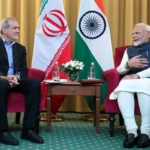
Iranian President Masoud Pezeshkian announced that Iran and India's membership in BRICS provides a suitable platform for further strengthening bilateral relations and ensuring mutual benefits.
The global price of crude oil today, October 23, 2024
Brent crude futures eased 50 cents, or 0.7%, to $75.54 a barrel by 0640 GMT. U.S. West Texas Intermediate crude futures shed 50 cents, or 0.7%, to $71.24 a barrel.
Methane gas detectors are essential for ensuring safety in environments with CH4 presence, as they detect dangerous levels of methane, preventing explosions and health issues.
Iranian President Masoud Pezeshkian, while presenting the budget bill for the next Iranian calendar year of 1404 to the parliament, stated that reforming energy subsidies is one of the main challenges of the proposed budget.
Iranian Minister of Petroleum Mohsen Paknejad left Tehran for Kazan, Russia, today to accompany the President on his trip to attend the 16th BRICS Summit.
Chinese and Indian oil traders have been responsible for the explosive growth of dark fleet tankers hauling Russian crude to Asia, evading Western sanctions.
Iranian Finance and Foreign Affairs Ministry reports 182 foreign investment applications approved in three months since the 14th government's incumbency, totaling $1.8 billion in approved plans.
The US reports that despite sanctions, Iran's oil exports are expected to increase by 100,000 barrels per day in 2024, reaching 1.5 million barrels per day.
Brent crude futures were up 38 cents, or 0.5%, to $73.44 a barrel at 0747 GMT. U.S. West Texas Intermediate crude futures were up 44 cents, or 0.6% to $69.66 a barrel.
India imported 36.85 billion BCM of liquefied natural gas in the first six months of fiscal year, highlighting its growing energy needs and reliance on global LNG supplies. The Indian government is balancing domestic production and LNG imports.
Since establishing the South Pars Oil and Gas Company (POGC) in 1998, more than $80 billion has been invested in plans and projects to develop the shared South Pars gas field which is unprecedented.
India is expected to receive investments worth $87 billion in the next decade to meet the nation's rising demand for petrochemicals, the country's oil minister Hardeep Singh Puri said on Friday.
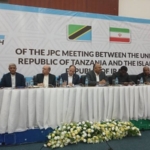
Iranian Agriculture Minister Gholamreza Nouri Ghezelcheh announced about the expansion of cooperation between Iran and Tanzania in the fields of agriculture, petrochemicals and tourism.
CEO of NIORDC, Mohammad Sadegh Azimi-Far, plans to boost high-quality petroleum product production in existing refineries and complete refinery projects with physical progress.