Pakistan and Iran Forge Ahead with Strategic Gas Pipeline Project
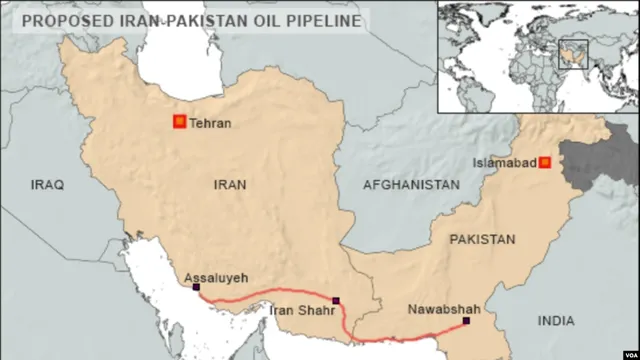
RoydadNaft – The Pakistan-Iran gas pipeline project unfolds as a strategic partnership, providing affordable energy and sparking dialogue on energy independence. The 781-kilometer pipeline stretches from Gwadar to Nawabshah, promising an era of economic revival and energy security.
In a significant move to combat the looming energy crisis, Pakistan has embarked on a pivotal venture with Iran, laying down the groundwork for the much-anticipated gas pipeline project. This ambitious undertaking, set to unfurl in two phases, symbolizes a beacon of hope for millions grappling with the escalating costs of electricity and gas. The first phase entails the construction of an 81-kilometer pipeline from Gwadar, seamlessly connecting to Iran’s existing infrastructure. Gaining momentum from the Special Investment Facilitation Council’s nod, this project is not just about laying pipes but laying the foundations for a future where energy sufficiency is no longer a distant dream.
A New Dawn in Pakistan-Iran Relations
The decision to propel the Pakistan-Iran gas pipeline project into action marks a strategic pivot in bilateral relations, heralding a new era of cooperation and mutual support. With Iran completing its segment of the pipeline stretching from the gas fields to the border, the onus was on Pakistan to bridge the final stretch. The Special Investment Facilitation Council’s approval signifies more than just a procedural step; it embodies a commitment to shared goals and economic prosperity. Iran’s extension of the deadline to September 2024, coupled with an offer for legal and technical assistance, underscores a partnership that transcends mere transactional interactions, aiming instead to fortify energy ties and regional stability.
Light at the End of the Tunnel
The strategic importance of this pipeline cannot be overstated. Stretching from Gwadar to Nawabshah, this 781-kilometer marvel is not just a conduit for natural gas but a lifeline for Pakistan’s energy-starved populace. The Gwadar port, with its advantageous positioning on the Arabian Sea, emerges as the linchpin in this energy equation, offering a cost-effective gateway for the transport of gas from Iran. This project is a testament to the power of collaboration, with both nations pulling together resources, expertise, and goodwill to turn the tide on the energy crisis. As the pipeline inches closer to completion, it promises to usher in an era of economic revival, with businesses and households alike reaping the benefits of affordable energy.
Charting the Course for Self-Reliance
While the Pakistan-Iran gas pipeline project is a monumental step towards addressing immediate energy needs, it also serves as a clarion call for introspection on the importance of developing indigenous energy resources. The path to energy security is fraught with challenges but also brimming with opportunities. By harnessing domestic resources and diversifying energy sources, Pakistan can pave the way for a future where reliance on external energy supplies is minimized. This project, therefore, is not just about securing an energy lifeline from Iran but about sparking a broader dialogue on energy independence and sustainability.
In conclusion, the Pakistan-Iran gas pipeline project stands as a testament to the enduring spirit of cooperation and the relentless pursuit of progress. As both nations join hands to bring this project to fruition, they not only aim to alleviate the energy crisis but also lay down the groundwork for a future marked by prosperity, stability, and self-reliance. With the wheels set in motion, the coming years will undoubtedly witness a transformation in the energy landscape of Pakistan, signaling a new chapter in regional cooperation and economic development.