Hamid Bovard; From Iran’s Oil Fields to the Ministry of Oil
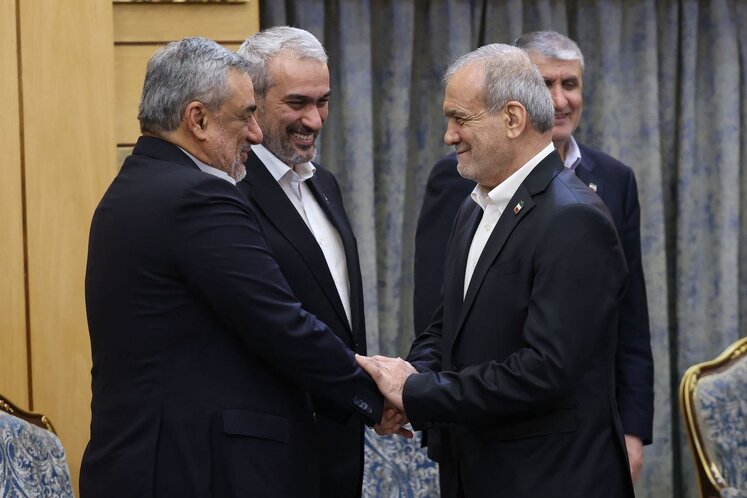
RoydadNaft – Iran’s Acting Oil Minister Hamid Bovard has spent more than three decades working in drilling, onshore and offshore production, and National Iranian Oil Company management. His extensive operational background has made him a potential candidate for permanent appointment to lead the ministry.
According to Roydad Naft, following President Masoud Pezeshkian’s acceptance of Mohsen Paknejad’s resignation on October 4, 2026, the president appointed Bovard as acting oil minister under Article 135 of Iran’s Constitution. The appointment did not come as a surprise to many within the oil industry. Bovard had served as deputy oil minister and CEO of the National Iranian Oil Company (NIOC) since August 2024, after holding a series of operational leadership positions at some of the country’s largest production organizations.
Born on March 27, 1964, in Shushtar, southwestern Iran, Bovard began his career in drilling projects. In the mid-2000s, he managed special projects at the National Iranian Drilling Company before becoming deputy head of drilling at the National Iranian South Oil Company (NISOC).
From 2010 to 2012, he served as CEO of Maroun Oil and Gas Company. He then took charge of NISOC, Iran’s largest crude oil producer, leading the company until 2014.
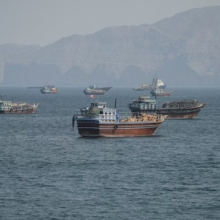
After his tenure in southern Iran, Bovard served concurrently as an adviser to the NIOC CEO and as CEO of the Petroleum Engineering and Development Company. From 2016 to 2019, he headed the Iranian Offshore Oil Company, gaining direct experience in both onshore oil fields and offshore production in the Persian Gulf.
A brief period in engineering and development did not distance him from the industry’s operational core. At the beginning of Iran’s 14th administration, he returned to NIOC after being appointed by Paknejad.
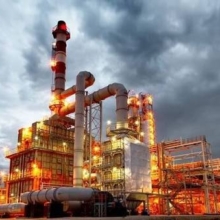
His career is particularly relevant to the challenges facing Iran’s oil industry today. The Ministry of Oil must sustain production, maintain oil sales, ensure reliable natural gas supplies during the winter, manage refining and fuel distribution, and advance projects to maintain and increase output. A manager whose experience spans drilling rigs, wellhead facilities and NIOC headquarters is familiar with both field operations and policymaking.
In his first days as acting minister, Bovard also emphasized maintaining production and development programs, pursuing commercial and oil sales policies more vigorously, and taking a strategic approach to fuel consumption and transportation infrastructure.
The main argument for presenting Bovard to Parliament as a candidate for permanent appointment as oil minister is the continuity of his professional experience rather than political affiliation. His career has taken him through drilling, Maroun Oil and Gas Company, NISOC, petroleum exploration, offshore oil production and, ultimately, NIOC leadership.
This trajectory addresses a longstanding gap in recent oil ministry appointments: the prospect of a minister who has not merely reviewed operational decisions in headquarters reports but has also been directly involved in implementing them. As the industry faces critical months ahead, particularly in oil production and commercial operations, continuity in management may prove more valuable than another major change in leadership.