Gas Output From Iran’s Eastern Fields Rose by 1 Billion Cubic Meters
RoydadNaft – The chief executive of the Iranian Central Oil Fields Company said gas production and storage targets in the country’s eastern fields were met in the first half of this year. East Oil and Gas Production Company raised gas output by 1 billion cubic meters from the same period last year and is ready to supply the northeast in the cold season.
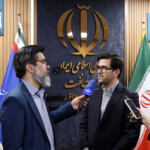
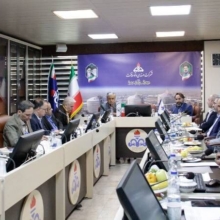
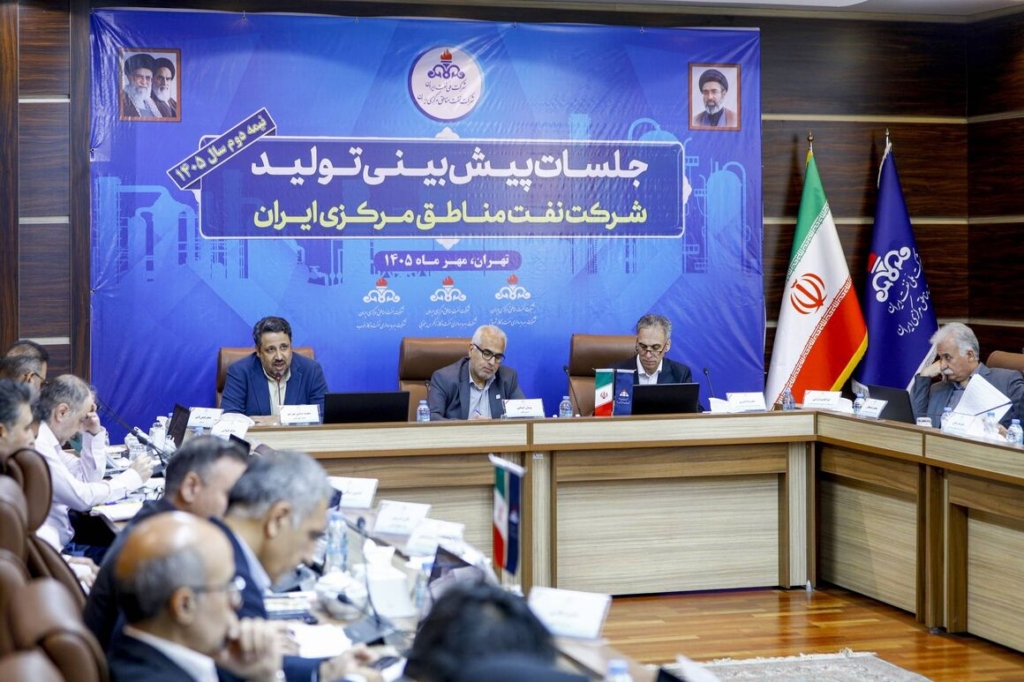
According to Roydad Naft, Peyman Imani spoke on Wednesday, October 7, 2026, on the second day of East Oil and Gas Production Company’s production-forecast meeting. Winters in the northeastern provinces are severe, he said. With 10 million cubic meters of storage capacity, a reproduction target of 18 million cubic meters, and 47 million cubic meters from the Khangiran, Tous, Gonbadli, and Shourijeh B fields, the company can produce and deliver 65 million cubic meters of raw gas to the Shahid Hasheminejad gas refinery.
The company plays an important role in energy supply to the northeast in the cold season, and maximum-output readiness is required for a stable gas network there, he said.
Well 97 at Khangiran recently came on stream at 1.3 million cubic meters a day, the result of work by ICOFC specialists and engineers.
Drilling of well 4 at the Tous gas field is finished. Surface facilities are to be installed so the well can enter production in mid-autumn this year and the company is ready for the cold season, Imani said.
He thanked East Oil and Gas staff for running gas supply and support to the northeastern provinces on the hardest cold days in past years.
Sarajeh storage challenges
The forecast meeting also reviewed obstacles at the Sarajeh Qom operating area and gas storage there. Proximity to the center of the country and Tehran makes Sarajeh storage especially important for energy security on cold days, Imani said.
East company meets its production plans
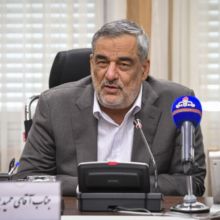
Alireza Kamizi, chief executive of East Oil and Gas Production Company, said that despite higher production assignments, output and operations in the first half of this year (March 21–September 22, 2026) were met through staff work and headquarters support.
Injection into the Shourijeh D reservoir reached 1.77 billion cubic meters by the end of the first half, equal to 107% of the approved plan.
With repairs, inspections, and preparation of producing wells, suitable capacity is in place for stable gas in autumn and winter, he said.
A 25-kilowatt solar plant came online at the start of this year and was connected to the national grid. A pilot to supply one well entirely with solar power is also under way.
In the first half, more than 18,000 person-hours of safety training were held and more than 10,000 hot- and cold-work permits issued. Four operational drills were run to raise readiness and resilience.
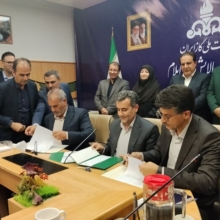
ICOFC well-deliverability forecast meetings are held every six months to review challenges, clear production obstacles, and meet assigned plans. Sessions for the second half of the Iranian year 1405 are running from October 6 to 8, 2026, with managers of the company’s operating areas.