Iranian Oil Terminals Chief: Kharg Crude Exports Rose 10% During the War
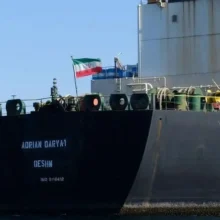
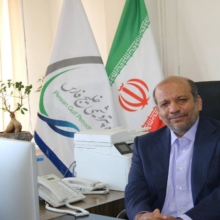
RoydadNaft – The chief executive of the Iranian Oil Terminals Company said that despite extensive attacks on the Kharg oil terminal in the third imposed war, average crude exports from the terminal rose about 10% from prewar levels and shipments never stopped.
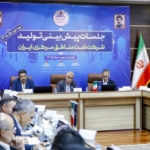
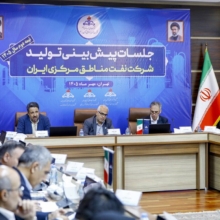
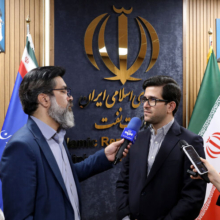
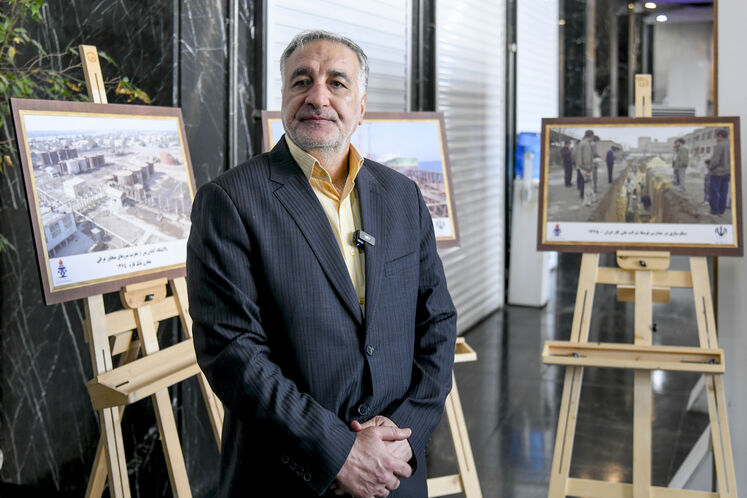
According to Roydad Naft, Abbas Asadroz spoke on Sunday, September 27, 2026, on the sidelines of a visit to an exhibition of oil-industry documents and photographs from the Sacred Defense era. He said the company links production to oil and gas exports through receiving, storage, measurement, and loading. Storage tanks, export jetties, and pipelines are a major part of that chain.
Because of their place in the export chain, the company’s facilities are critical infrastructure and the last operating link between the oil industry and domestic and foreign customers. They must stay at the highest readiness, he said.
Over the past one to two years, €500 million has been allocated for projects on pipelines, storage tanks, export jetties, and other operating, support, and welfare infrastructure.
Some of those schemes have finished tendering, contractors have been chosen, and work has started; others are still in tender and contractors will be selected soon.
Turnarounds are under way on seven or eight tanks of 1.5 million barrels each, and overhauls of the eastern and western jetties at Kharg are on the agenda.
Storage at Kharg ranges from 140,000-barrel tanks to 1-million-barrel tanks. Their renewal and overhaul are part of the planned projects, Asadroz said.
Kharg: the heart of Iran’s oil exports
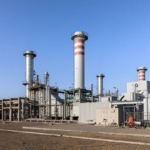
Kharg has a special geopolitical and geoeconomic place, he said. As the country’s largest oil terminal, it receives, stores, and exports about 93% of Iran’s crude.
The island’s role has not always received the attention it deserves, but it is part of the history of Iranian resistance from the eight-year Sacred Defense through the recent wars.
When he first arrived on Kharg in 1996, traces of wartime bombing were still visible, Asadroz said. Oil-industry staff stayed at their posts with limited means, courage, and a spirit of sacrifice, and kept exports moving.
2,888 days of war and more than 2,800 attacks on Kharg
The Sacred Defense lasted 2,888 days. Kharg was attacked more than 2,800 times and red alerts sounded again and again, but staff stayed at work and did not let exports stop even for one day. That spirit continued after the war and appeared again in the recent conflicts, he said.
In the latest war, despite 548 hits — most of them bunker-buster missiles — Kharg terminal staff exported 70 million barrels of Iranian oil.
The first crisis-management rule was that oil exports, as a strategic support for the national economy, could not be suspended.
Managers present on site shortened the gap between decision and action, sometimes to zero, allowing a fast response to changing, complex threats.
Human capital was the main reason terminals kept working, Asadroz said. Staff faced both extra operating load and the pressure of threat and uncertainty, but they stayed and continued the work.
Exports rose in the recent war
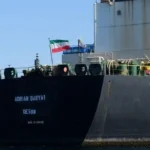
During the recent war the company managed three variables at once: crude incoming, strategic tank inventories, and crude outgoing. After the attack on the Tehran oil depot, about 300,000 barrels a day were added to incoming volumes at Kharg, so exports had to rise to keep the production and storage chain from jamming.
Average oil exports from Kharg during the 40-day war were about 10% higher than before the war, he said — the result of continuous effort by terminal staff.
“Stopping exports” was not on the agenda
The eight-year Sacred Defense built courage and endurance into successive generations of oil-industry employees, and that showed again in the recent wars.
Terminal staff stayed at their posts in the hardest conditions and kept oil exports flowing — more than an organizational assignment, he said, a national mission to support Iran’s economy.