Iran’s Oil Industry Has Stood Guard Over Energy Security in the Sacred Defense and Recent Wars, Senior Adviser Says
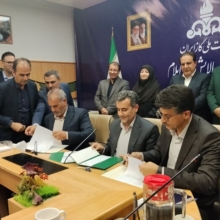
RoydadNaft – The senior assistant and adviser to the commander-in-chief said energy is not only an economic commodity but part of national power, security, and daily life, and that oil-industry employees have played an important role in securing Iran’s energy in different periods.
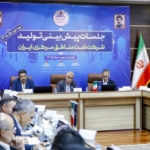
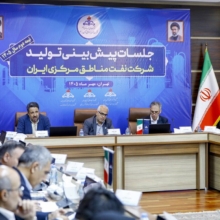
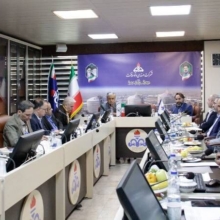
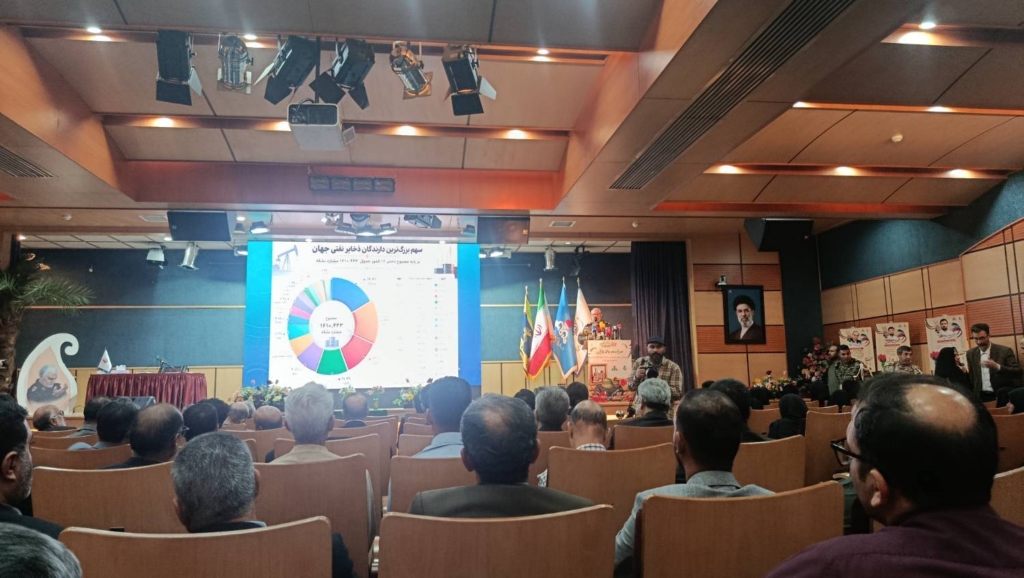
According to Roydad Naft, Maj. Gen. Seyyed Yahya Rahim Safavi spoke at a ceremony marking the 46th anniversary of Sacred Defense Week and the breaking of the siege of Abadan. Oil-industry staff, engineers, and officials played an important role in three epics, he said.
The first was during the revolution, when oil was cut off and the imperial system was constrained. The second was the eight-year Sacred Defense, including the breaking of the Abadan siege and the preservation of the Abadan refinery. The third took shape in the recent wars, he said.
In the 12-day and 40-day wars, and in the present situation while the country is still at war, oil-industry employees have stayed at their posts, Safavi said.
His remarks were titled “The Geopolitics of Energy, the Strait of Hormuz, and Its Effect on Winning the War.” One simple idea in geopolitics, he said, is the interaction of geography, power, and politics.
In today’s world, energy is not only an economic good; it is both a source of power and an instrument of pressure, he said.
Iran has a history of several thousand years and sits at a crossroads of the world, Safavi said, pointing to the country’s place in global affairs and to its geography and energy resources.
In wartime, oil is no longer merely an economic issue; it is part of national power, national security, public comfort, and people’s lives, he said.
The Strait of Hormuz is a very important lever in the equations of energy and war, Safavi said.
Using Iran’s geopolitical position to control energy and raise pressure on fuel prices is an advantage, he added, referring to developments in the recent war.
He said Qatar suffered about $200 million in damage and that reconstruction there will take three to five years.
The United States, he said, must grant Iran more concessions.
Americans spent hundreds of billions of dollars and still lost, Safavi said. Iran’s neighbors should have realized that the United States is not a solid refuge and that Iran will have the first and last word in the future.
He said he was assigned by the supreme leader to convey his greetings to those serving in the oil industry and to thank them for their efforts.
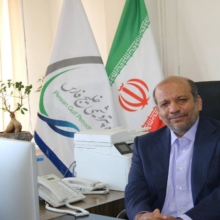
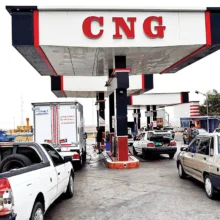
Mohammad Sadegh Azimifar, deputy oil minister and chief executive of the National Iranian Oil Refining and Distribution Company, also spoke at the ceremony. He pointed to the role of refining and distribution in the Sacred Defense and the recent wars and stressed that staff have continued to provide service under difficult conditions.
The ceremony closed by honoring the families of NIORDC employees killed in the Sacred Defense and the recent wars.