Iran’s First Vice President: Public Cooperation Is Needed to Get Through Winter
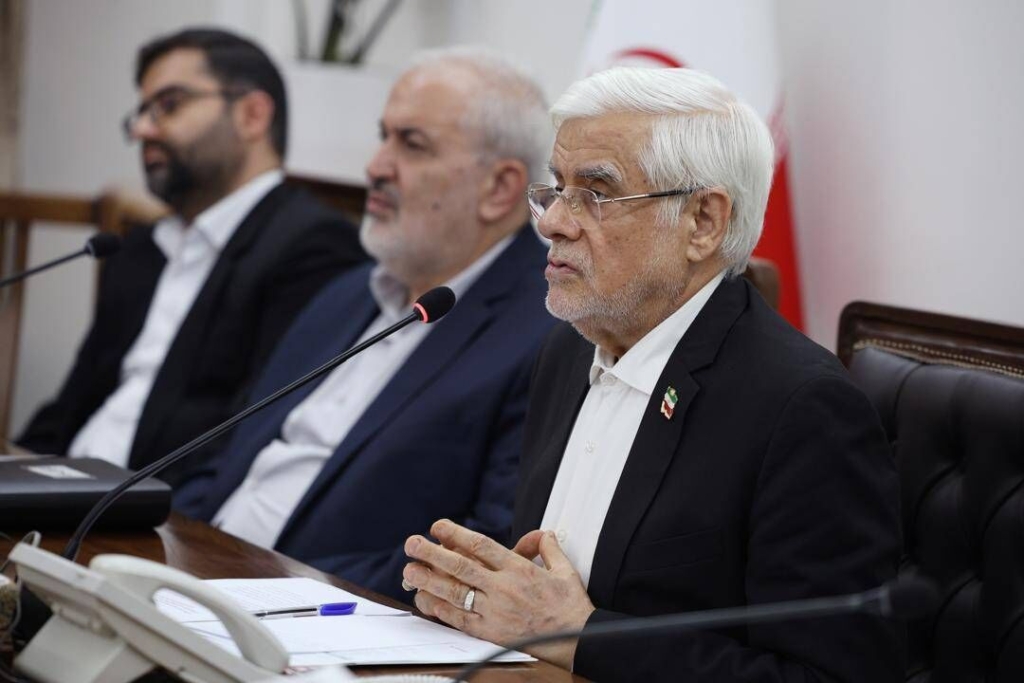
RoydadNaft – Iran’s first vice president said the government plans to return 100 million cubic meters of gas from infrastructure damaged in the enemy attack to the network before the cold season starts, and asked the public to save electricity and gas to keep the energy grid stable through the winter months.
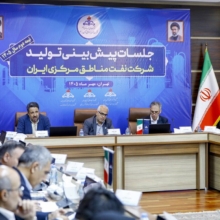
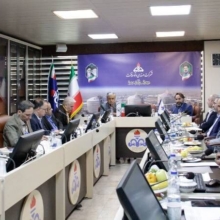
According to Roydad Naft, citing the government’s information website, the Supreme Energy Council met under Mohammad Reza Aref and reviewed proposed scenarios for managing gas use in the household, commercial, public, industrial, agricultural, transport, and power-plant sectors over the four cold months of this year. Each sector’s consumption share was approved.
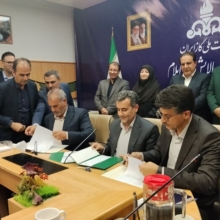
The meeting was attended by the ministers of oil; industry, mine and trade; energy; agricultural jihad; and economy, as well as the heads of the Plan and Budget Organization, the Atomic Energy Organization, and the Energy Efficiency and Strategic Energy Management Organization, and the government spokesperson. Officials stressed continued efforts to raise gas-production capacity and the need to save gas and electricity in household, private, and government use.
Energy imbalance has eased in recent months
Aref opened by pointing to an imbalance in energy, especially gas, and to enemy attacks on gas infrastructure in the two recent imposed wars. He said the trend in recent months toward reducing those imbalances has been very good.
Infrastructure in the energy sector was damaged in the latest imposed war, he said, but round-the-clock work has repaired part of that damage, and the remaining units will be brought back as soon as possible.
On solar power, Aref said the president holds several expert-level meetings every week to use solar generation to ease part of the energy imbalance, and that the government has had a successful record on that front.
Energy for industry and agriculture is a given
Supplying energy for industry and agriculture is a standing assumption for all government managers, Aref said. Stable energy for the public is another priority. With cold weather starting in mid-autumn, he asked people to save electricity and gas to help the government keep the grid stable.
To keep industry supplied and protect production and jobs, some outages may be unavoidable, he said, because cutting power to industry means shutting production, laying off workers, negative growth, lower export income, and lost regional markets.
Heavy users may pay full cost
The public’s help in cutting energy use is needed, Aref said. If there is no other choice, energy for households in the highest-consuming brackets that have swimming pools or villas will be billed at the full cost of energy.
He said 250 million cubic meters of gas has been taken off the network, but the government is trying to put 100 million cubic meters back before the cold season begins.
All related executive agencies are engaged in that effort, he said. The president has stressed that electricity and gas for industry and production should not be cut, so the public must be persuaded to help the government by saving.
Some people are willing to pay a fine rather than cut consumption, Aref said, so energy-demand management needs a change in culture.
With public help, regional gas cuts will be avoided
Energy for production is a government priority, he repeated. Cutting industry energy means idle plants, job losses, slower growth, and lost export markets.
Grid stability matters a great deal, Aref said. He is concerned about gas being cut in some parts of the country, but with work by executive agencies and public cooperation that will not happen.
He asked the Supreme Energy Council to prepare a plan to cut household and government energy use. The government must do its share as well, he said, for example by subsidizing standard heating and cooling appliances for the public.
Addressing government managers, Aref said energy-demand management needs a broad view, and that all ministers and officials must share the duty of keeping the energy network stable for both industry and households.