Third New Drilling Rig Enters Iran’s Territorial Waters
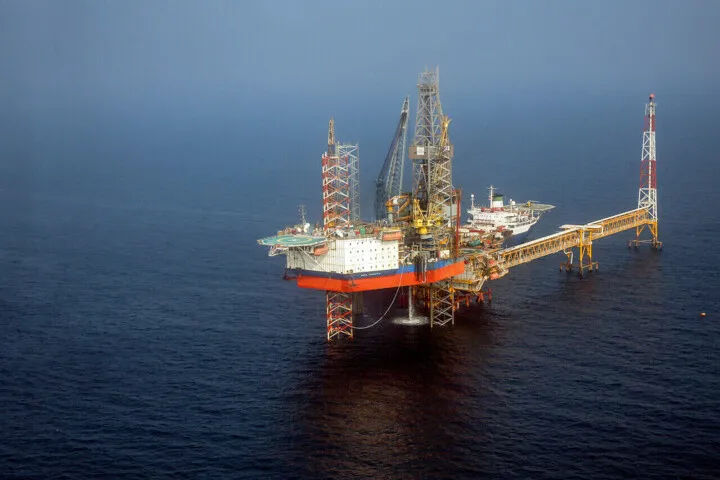
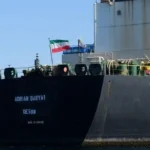
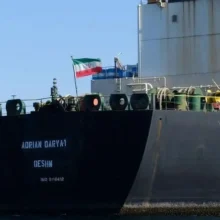
RoydadNaft – Pars Oil and Gas Company has brought a third new offshore drilling rig into Iran’s territorial waters despite international restrictions, raising the number of rigs active on the company’s projects to 13.
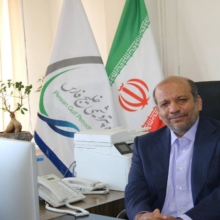
According to Roydad Naft, Touraj Dehghani, chief executive of Pars Oil and Gas Company, said the rig is the third new offshore unit to enter the country during the 14th government. With its arrival, the number of rigs assigned to the company’s projects has reached 13.
Dehghani said the delivery followed months of continuous work and the successful handling of technical, contractual, financial, banking, insurance, marine, and international obstacles.
From the time the rig was secured and the transfer began until it entered the Islamic Republic of Iran’s territorial waters, the move took only about two months, he said — a timeline that even under normal conditions would require wide coordination among technical, financial, contract, marine, logistics, and international teams.
Oil minister’s backing
Dehghani thanked the oil minister for persistent support in bringing the rig into the country. He said backing from the minister, as well as from the chief executive and board of the National Iranian Oil Company and others involved at each stage, sped the transfer and deployment of the strategic equipment.
The aim, he said, is to strengthen the drilling fleet and support Pars Oil and Gas Company’s production-maintenance programs. The operation took place while Iran faced sanctions pressure, difficulty moving funds, banking limits, insurance and international shipping complications, and the regional security situation after two imposed wars.
Despite those constraints, procurement and transfer did not stop, and coordination among the various units carried the project through until the rig entered Iranian waters.
Newer technology for the fleet
Expanding the drilling fleet is essential to keep development and production-maintenance work going on shared fields, Dehghani said. The new unit is the third rig procured from abroad under Pars Oil and Gas Company’s fleet-strengthening plan and adds up-to-date technology to gas-project drilling capacity in the Persian Gulf.
Together with rigs already working, it raises the company’s ability to drill, develop wells, maintain South Pars output, and advance shared gas-field projects in the Gulf.
In offshore drilling, modern equipment matched to technical requirements is a key factor in productivity, shorter job times, and safer, more effective programs, he said. Supplying equipped, up-to-date rigs is part of the company’s response to the operating needs of shared fields.
13 rigs on Pars Oil and Gas projects
With this arrival, the number of rigs on Pars Oil and Gas Company projects has risen from four at the start of the 14th government to 13. Three of those are new offshore rigs that have entered Iran’s territorial waters.
More active rigs on offshore fields mean more capacity to meet drilling plans, speed development work, and run several projects at once across the Persian Gulf operating area, Dehghani said.
Under approved programs, the company is expanding drilling capacity and using newer equipment to support stable production, develop shared fields, and protect national interests. The new rig fits that framework.
The unit is now stationed on the shared South Pars field and will be used under drilling programs to maintain and raise output there.
Fleet support for production and development
South Pars supplies more than 70% of Iran’s energy mix, Dehghani said. In a giant shared field of that scale, continued drilling of new wells is central to holding production capacity and protecting Iran’s share of the reservoir.
Following directives from the Oil Ministry and NIOC, Pars Oil and Gas Company is pursuing a linked set of measures — new wells, well workovers, production maintenance, and the use of new equipment and technology — so Iran’s operating capacity in the Persian Gulf matches the requirements of shared-field development.