Iran Starts Susangerd Field Development as Well No. 4 Comes On Stream
RoydadNaft – Development of Iran’s Susangerd oil field has begun with the start-up of Well No. 4, and first-phase output is targeted at 18,000 barrels a day.
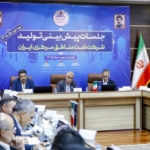
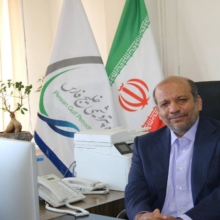
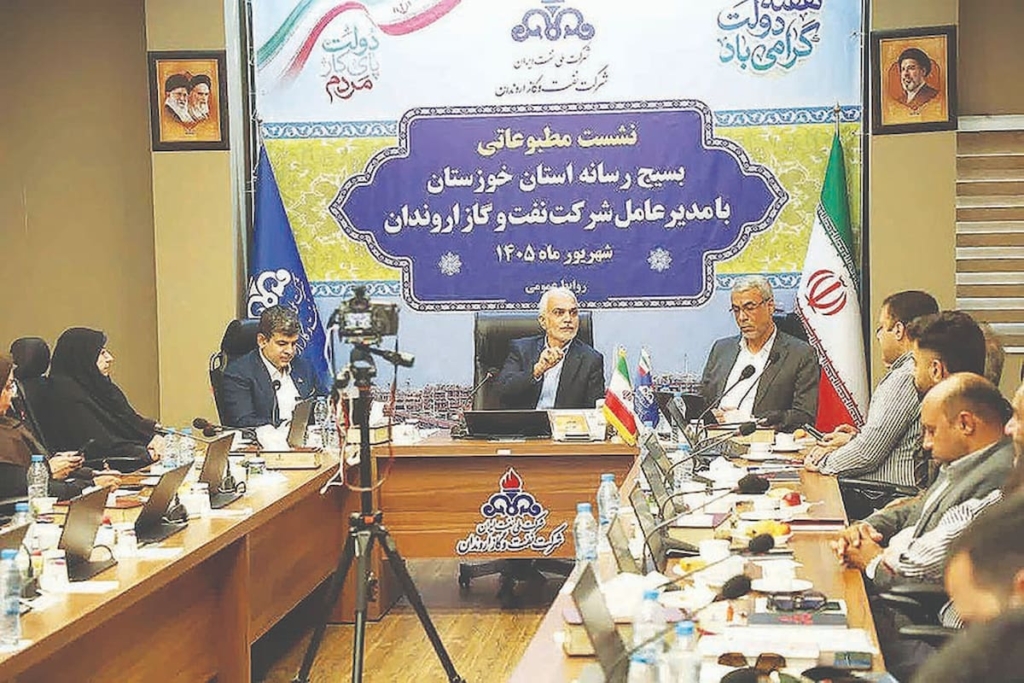
Hamid Deris, managing director of Arvandan Oil and Gas Company, told a Government Week news conference with Khuzestan Basij media that later phases are also planned to raise production, Roydad Naft reported.
Deris said he has tried to work with the media because constructive criticism has repeatedly corrected mistakes in the oil industry. Last year Arvandan’s average output beat its approved program and reached 103% of target. Real production capacity at Azadegan also rose versus the planned figure, and technical work offset natural well decline on that field.
Under its charter, Arvandan is responsible for operating and developing the fields it manages. A large share of production-maintenance and output-growth work falls under development, which he called a continuous process.
For the first time, and with the National Iranian Drilling Company, drilling and workover on three wells were led by Arvandan specialists. At Darkhovin, Well No. 8 reached 3,000 barrels a day under the company’s lead, and Well No. 7 is due on stream within two months.
Susangerd, discovered about 20 years ago, entered production for the first time after Well No. 4 was drilled and repaired under Arvandan’s lead. That start-up is both the field’s first oil and the operational start of its development program, Deris said, and shows the company’s ability to run technical and development jobs directly. Phase 1 is set at 18,000 barrels a day, with a wider output outlook in later phases.
Arvandan is also planning Darkhovin development, including Phase 3. A pipeline to move associated gas from Darkhovin and West Karoun to the NGL 3200 plant is under construction and is expected to cut flaring to a minimum. Last year, technical work by Arvandan staff cut associated-gas flaring at Darkhovin by about 100 million cubic feet a day. That gas is sent to NGL 3200 for other industrial use, and some is injected back into the Darkhovin reservoir for enhanced recovery, reducing waste and local pollution.
About 85% of the company’s associated gas is now gathered, Deris said, with plans to collect the rest and minimize flare volumes. Some current flaring is tied to development phases and rising field output.