Iran Should Not Wait Until Cold Weather to Secure Winter Gas, Lawmaker Says
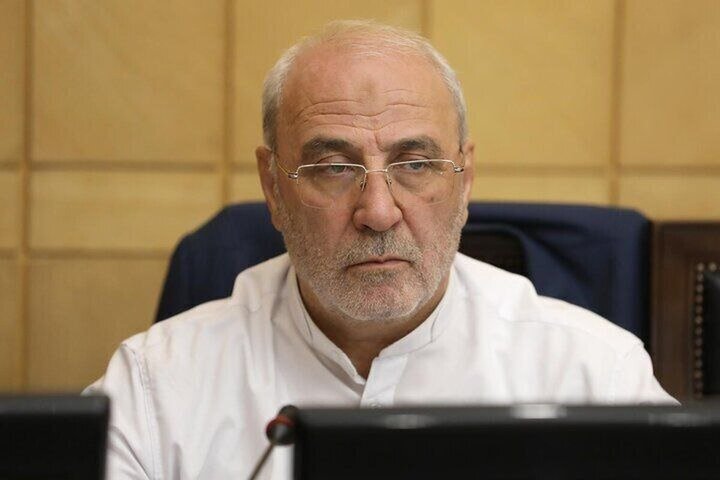
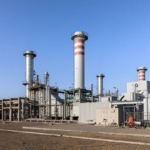
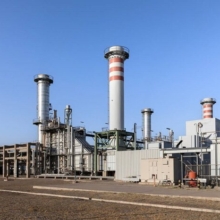
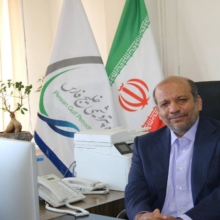
RoydadNaft – Iran must start winter gas planning now and bring energy-service companies into the effort after damage cut South Pars output by about 20%, the deputy chair of parliament’s Article 90 Commission said.
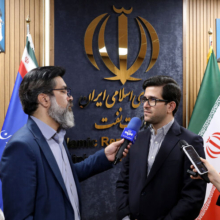
Hossein-Ali Haji Deligani told Roydad Naft that lower gas production and the risk of pressure drops or outages in some provinces mean the government should use the last month of summer for efficiency projects, activating operator companies and targeted support for customers.
Estimates put damage to parts of South Pars gas facilities at about 20% of the country’s daily gas production capacity, he said. Full repair and recovery may take two to three years. Alongside reconstruction, efficiency and cutting energy waste with public and private participation should become a national priority.
Iran is in the third month of the warm season and most of summer is over, so the main task is preparing gas supply for the coming winter, he said. In cold weather, a sharp rise in household use raises the risk of pressure drops and even outages in some areas. That concern is sharper in provinces at the end of the transmission network, including Golestan. The government should not postpone planning until cold weather begins.
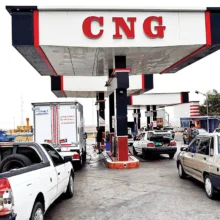
Gas, electricity and output are tightly linked, Haji Deligani said. In winter a large share of natural gas goes to households while power plants and major industries face fuel limits. About 81% of Iran’s electricity comes from thermal plants, and much of that fuel is natural gas. A gas imbalance is therefore not only a heating issue; it can hit power generation, industry, jobs and national production.
A Parliament Research Center review found that high household gas use is partly due to inefficient buildings and heating equipment, he said. Aging homes, weak insulation, low-efficiency heaters and boilers, and poor boiler-room performance cause substantial waste. The imbalance cannot be blamed only on consumer behavior or solved only by raising tariffs.
Energy-service companies, working with provincial gas firms, can identify high-loss customers and buildings and carry out insulation, boiler-room upgrades, servicing of heating equipment and replacement of inefficient appliances, he said. That can cut gas use and bills without reducing household comfort and can bring the public and private sector into a national saving program.
The same model should extend beyond homes to industry, greenhouses and production units through newer equipment, low-consumption technology and better heat processes. Saving in those sectors would support network stability and help avoid output limits and job losses.
Consumption should not be managed with a price shock or a sudden liberalization of energy prices, Haji Deligani said. If prices must change, the move should be gradual, reasonable and aimed at very high users. Expert reports show average gas use does not differ sharply across welfare deciles, and 10th-decile use is almost equal to the sixth-decile average. A sudden across-the-board price rise could therefore squeeze low-income households as well.
Targeting very high users is fairer than a general tariff increase, he said. Fourth-tier customers are only about 2% of all users but account for about 5% of gas consumption. Higher tariffs on that use send a correction signal without putting price pressure on most people. Those customers should also be able to use operator-company services to cut consumption.
Gas-imbalance policy should be a package: gradual tariff reform, support for the public, targeting unusual use and expanding energy-service companies, he said. Before winter starts, the government should publish a clear, timed plan for household supply and to prevent pressure drops. Time is limited, and stable winter gas — especially in provinces such as Golestan — should not be left until the coldest days.