Ten South Azadegan Wells in Iran Returned to Production, Exploration EPD Project Shows
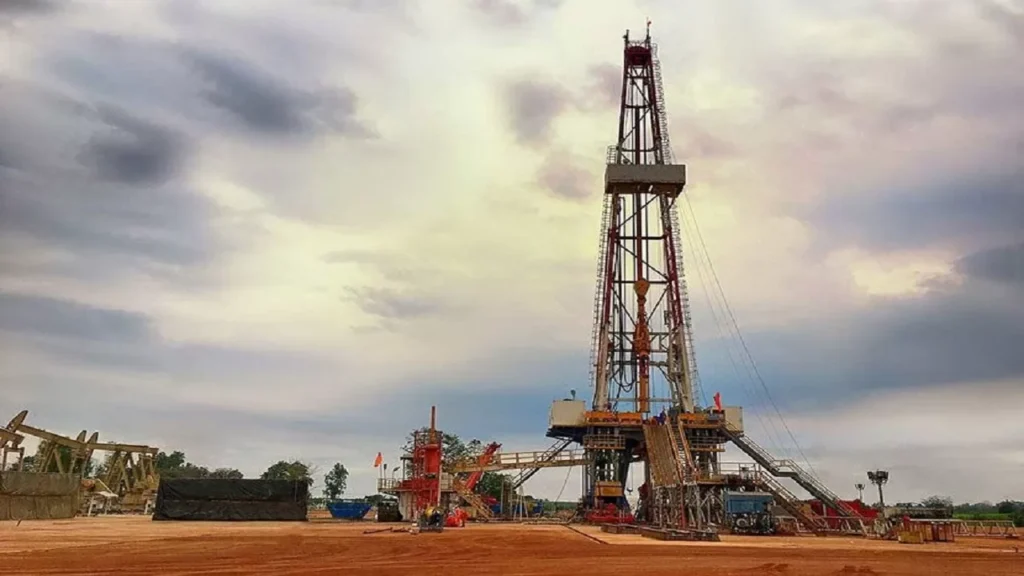
RoydadNaft – The first engineering, procurement and drilling (EPD) project run by the National Iranian Oil Company’s Exploration Directorate at the shared South Azadegan field has brought 10 Fahliyan and Gadvan wells back into production, the project manager said.
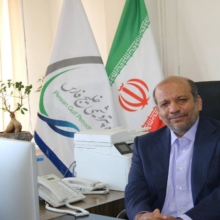
Rashid Ansari-Kian told Roydad Naft the EPD job was carried out independently in two phases. Besides drilling and restoring the 10 South Azadegan wells, it added about 30,000 barrels a day of oil. Specialized goods and equipment were also supplied for four to six wells.
Phase 1 was finished and handed over on schedule despite the technical complexity of the Fahliyan wells and reservoirs and shortages of some specialized equipment, he said, by relying on domestic crews and targeted procurement. The client’s satisfaction with Phase 1 led to the award of Phase 2, which started in November–December 2024. Drilling of the latest well in that phase is continuing after a rig was moved onto the location.
The two phases together delivered the roughly 30,000-barrel-a-day gain and gave the unit experience in integrated engineering, procurement and drilling management, Ansari-Kian said.
He also said acidizing is under way on 30 wells in West Karoun under a separate contract with the Petroleum Engineering and Development Company (PEDEC), aimed at improving well productivity and supporting higher output.
Other work includes supplying a rig and drilling services at the Bibi Hakimeh and Shadegan fields, where technical and operating conditions have added complexity. Four rigs were also provided to the National Iranian South Oil Company (NISOC), increasing drilling capacity and the pace of field operations. The unit’s rigs are working alongside the National Iranian Drilling Company fleet on new wells in various oil fields.
Ansari-Kian listed investment in technology, specialist training and smarter operations as drilling-industry priorities. Despite sanctions, some specialized equipment and parts have been sourced from Iranian manufacturers and through cooperation with Asian countries. Solving field problems, using specialist staff and expanding technical and industrial partnerships are required to keep oil output stable, he said.
A third phase of the project can proceed if NIOC approves updated rate schedules, he added.