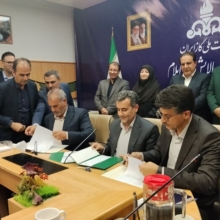
Sabalan Petrochemical Takes the Lead on Iran’s Energy Exchange
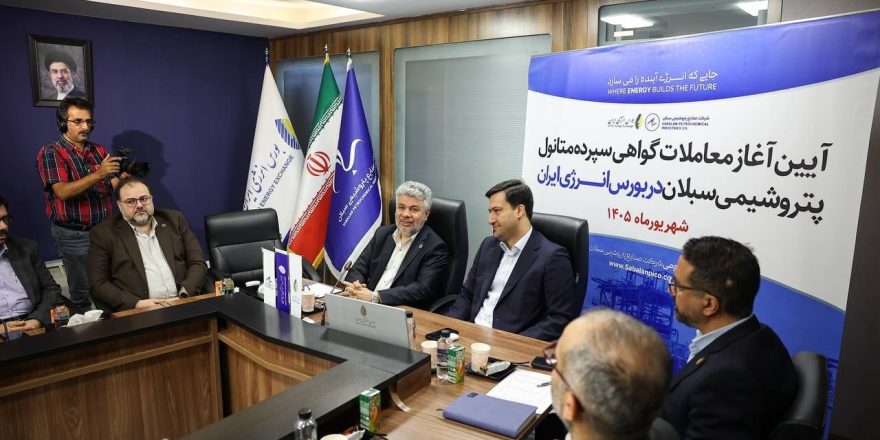
RoydadNaft – Trading in Iran’s first methanol warehouse receipts began with an offering of 2,500 tons of methanol in the form of 2.5 million deposit certificates issued by Sabalan Petrochemical on the Iran Energy Exchange.
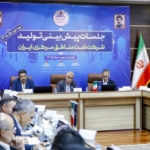
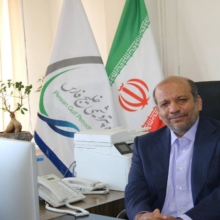
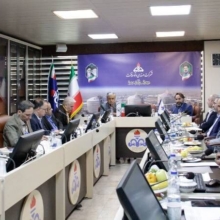
According to Roydad Naft, citing Sabalan’s public relations office, the launch ceremony for Sabalan Petrochemical’s methanol warehouse receipts was held Wednesday, September 2, 2026, at the Iran Energy Exchange in the presence of Mohammad Nazifi, CEO of the Iran Energy Exchange, and Reza Ganji, CEO of Sabalan Petrochemical.
Nazifi said expanding the financial side of the energy market is a strategic priority for the exchange. He expressed hope that greater familiarity among petrochemical and refining companies with warehouse receipts would give those industries more options for financing and product sales.
He added that this is the first time methanol warehouse receipts have been offered in Iran and said he hoped the instrument would gain traction among industry players and investors.
Financing Sabalan 2 through the Energy Exchange
Ganji pointed to new financing tools and their importance for petrochemical development. He said 2 trillion tomans of the issued salaf (forward) securities were tied to completion of the company’s Phase 2 project and had provided significant support for its development plans.
He said Sabalan had offered its product on the export ring of the Energy Exchange, which had helped strengthen the company’s working capital. For the first time in the methanol sector, he said, the company had put commodity warehouse receipts into operation. Because methanol is an export-oriented product, the receipts turn idle inventories into active working capital.
Ganji noted that Sabalan Petrochemical is affiliated with the Teachers’ Reserve Fund and said the company’s main duty is to serve teachers and protect their capital. As a trustee for shareholders, he said, the company is working to create value, and this first-of-its-kind offering in Iran is a practical step toward that goal.
Cost control amid energy challenges
Ganji said the plant’s feedstock is natural gas and that the company faces gas restrictions and cutoffs in some seasons. Because of feedstock supply challenges, he said, the company must manage costs and lower its product cost. With petrochemical feedstock prices set by the government, he said Sabalan can raise capital through the market, invest in utilities, and better control expenses.
He also pointed to the company’s social responsibilities and said that, with banks facing financing difficulties, new financial instruments on the Energy Exchange are the best path for advancing the company’s goals.
How the methanol receipts trade
Ganji said trading in the symbol is continuous from 9 a.m. to 3 p.m., with a pre-opening session from 8:45 a.m. to 9 a.m.
He said the first-stage offering is 2,500 tons of methanol, equal to 2.5 million certificates. On that basis, each certificate represents one kilogram of methanol.