NISOC CEO: Iran’s Southern Oilfields Raise Crude Capacity by 120,000 bpd
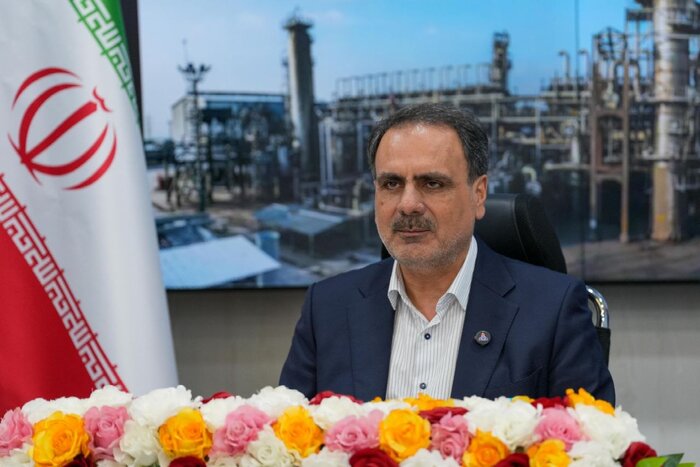
RoydadNaft – The CEO of Iran’s National Iranian South Oil Company (NISOC) said the firm’s crude oil production capacity has risen by 120,000 barrels per day over the past two years despite restrictions and crisis conditions, and that seven new contracts will add another 380,000 bpd.
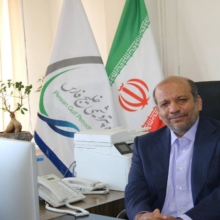
According to Roydad Naft, Ramin Hatami, congratulating Government Week, said that since the start of Iran’s 14th government in mid-2024, NISOC has focused on maintaining existing output and expanding crude production capacity.
He added that over the past two years, despite repeated ups and downs, constraints, and conditions arising from two imposed wars, crude production capacity in Iran’s southern oilfields has increased by about 120,000 bpd.
Hatami said the increase in capacity means greater national production capability, and that staff have worked to create new capacity while preserving current output.
380,000 bpd to be added through seven contracts
Pointing to steps taken to raise capacity in coming years, he said that since the beginning of the 14th government, major contracts have been signed to boost crude processing capacity, among the most important of which are seven crude oil processing-capacity contracts.
He said implementation of those contracts will add a combined 380,000 bpd to production capacity in the southern oilfields and will pave the way for higher output in the years ahead.
Hatami described drilling as one of the main pillars of field development and production growth, saying five contracts have been signed with private-sector investment to complete the drilling fleet.
He added that those contracts will add 18 drilling rigs to NISOC’s fleet and create the basis for field development and higher production.
23 private-sector gas investment contracts signed
On gas, Hatami said 23 private-sector investment contracts have been signed and 30 work packages awarded.
He said two of those packages are already in operation, two more will come online in the coming months, and the rest will follow.
He predicted that completing the projects will extinguish a large number of flares and that all of the packages will be commissioned by the end of next year (2027).
200 million cubic feet of gas gathered since start of 14th government
Hatami said about 200 million cubic feet of gas have been gathered since the start of the 14th government, leading to the shutdown of many flares.
He listed higher wealth creation and revenue for the government and the National Iranian Oil Company as one effect of flare-gas gathering, and said completing the value chain and generating wealth in other layers of that chain is another.
He added that private-sector entry into upstream gas and participation in flare-gas gathering are among the achievements of the contracts.
Hatami called improved environmental conditions a fourth major effect, saying flare-gas gathering is environmentally important and that the projects will create a safer, more livable environment for residents.
Refinery supply and exports continued under wartime conditions
Referring to the company’s performance in recent months, Hatami said Iran has faced exceptional conditions over the past six to eight months and that NISOC staff showed courageous and commendable presence during two wars last year, especially the third imposed war.
He said that in the first half of 2026, alongside maintaining production, supplying crude to refineries and continuing oil exports were also priorities, and that those operations continued without interruption thanks to staff efforts.
He said NISOC employees stood firmly by the country under wartime conditions and that there was no halt in refinery supply or exports.
On reconstruction and overhauls, Hatami said part of the situation in the first half of the year was turned into an opportunity for major overhauls and facility rehabilitation.
He added that in the first six months of 2026, overhauls of facilities and equipment equaled those of the entire previous year.
6 trillion tomans in social responsibility projects around the fields
On corporate social responsibility, Hatami said that since the start of the 14th government NISOC has carried out extensive work in surrounding communities under its CSR commitments.
He put the value of those actions at about 5.5 to 6 trillion tomans and said the company regards social responsibility as a component of sustainable development, remains committed to it, and will continue on that path.
For the second half of 2026, he said a set of oil and gas projects is under way and will come on stream.
In oil, he said at least two to three capacity-completion packages and new units will be ready for commissioning.
In gas, four to five packages for gas injection into fields and flare-gas gathering are in progress.
He also said two additional gas work packages will start up in the second half of the year and that their benefits will reach industry and the public.
Development work did not stop in crisis conditions
Thanking NISOC staff, Hatami said the results achieved are due to colleagues who kept working in harsh weather and environmental conditions as well as under crisis.
He stressed that in this period, development activity did not stop alongside day-to-day operations, and that NISOC employees stood with the country with a sense of responsibility and self-sacrifice.
With continued effort, he said, good results will follow.
NISOC, the largest subsidiary of the National Iranian Oil Company, operates 45 fields and 65 large and small hydrocarbon reservoirs across more than 70,000 square kilometers from Bushehr Province to northern Khuzestan and produces about 80 percent of Iran’s crude oil and 16 percent of its gas. Major fields in that area include Ahvaz, Gachsaran, Marun, Aghajari, Karanj, Parsi, and Bibi Hakimeh.