Gas transfer capacity gets a boost
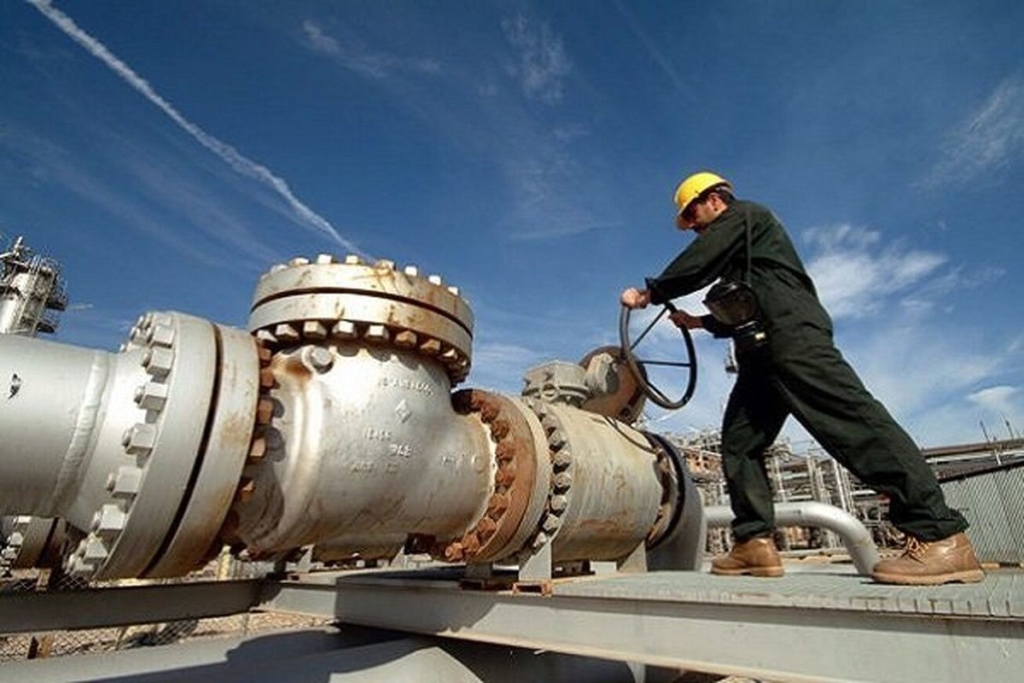
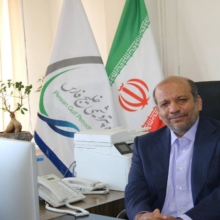
RoydadNaft – Iran has increased its natural gas transmission capacity by commissioning new sections of the national pipeline network and bringing additional compressor stations online, the CEO of the Iran Gas Transmission Company said.
Peyman Khazaei said maintaining the stability of the transmission network and ensuring facilities are fully prepared for the winter peak-demand period are the company’s top priorities as the cold season approaches.
The company operates between gas production and consumption, with the responsibility of transporting as much of the country’s output as possible from production sites to consumption centers, Khazaei said. The goal is to ensure that no produced gas goes unused because of transmission network constraints.
He said modernization, upgrades and maintenance of facilities are underway, with necessary repair and maintenance work completed. The company has also developed several network configuration scenarios based on expected production and consumption conditions during the colder months.
Tougher Winter Ahead
Khazaei said the coming winter is expected to present particular challenges following damage to South Pars refineries that has reduced part of the country’s sweet gas production capacity.
New strategies for managing the transmission network will therefore be needed to ensure a stable gas supply to all consumer sectors, particularly households, he said.
Although the Iran Gas Transmission Company has no role in increasing production, it is responsible for transporting all available gas from southern production areas to northern, northeastern and central regions, Khazaei said.
The country’s high-pressure gas pipeline system has been designed as an extensive, interconnected network, allowing operators to adjust configurations and maintain maximum stability and continuity of supply, he said.
Khazaei said that despite a significant increase in residential gas consumption last winter, the company managed the network through 55 operational reconfigurations across the country and round-the-clock deployment of field crews in hard-to-reach areas.
He said conditions are expected to be more difficult this winter, potentially requiring additional operational sites and network reconfigurations to maintain stable gas transmission.
New Transmission Region Planned for Sistan-Baluchestan
Khazaei also announced plans to establish the company’s 11th transmission operations region as an independent unit covering Sistan-Baluchestan province.
The new region will become the company’s 11th independent operational area, following the existing 10 regions, he said.
Given the province’s vast geography, long distances between facilities and the expansion of industrial activity and consumer demand, particularly in Chabahar, establishing an independent region will allow more effective network management and accelerate development projects, Khazaei said.
He said extensive maintenance and preparedness measures have been carried out on transmission facilities, pipelines, compressor stations and related infrastructure ahead of winter.
Part of the Ninth National Gas Pipeline has already entered service, while the second phase of another key national transmission line is scheduled to become operational this year, strengthening gas transmission to eastern parts of the country, he said.
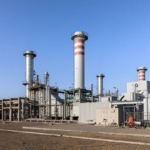
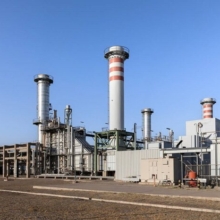
Several new compressor stations have also been commissioned, increasing the country’s gas transmission capacity compared with last year, Khazaei added.
Solar Power Supports Energy Efficiency
The new transmission capacity, combined with operational drills and network reconfigurations, will help improve gas delivery during peak-demand periods, Khazaei said.
He also highlighted new maintenance techniques that allow some repairs to be carried out without interrupting gas flows, cutting pipelines or venting gas into the atmosphere.
Such technologies have prevented transmission disruptions while significantly reducing gas losses and improving operational efficiency, he said.
The company has also introduced nationwide energy-management indicators at compressor stations to reduce their conventional energy consumption. Solar power generation has been incorporated into the facilities, with about 2.5 megawatts of distributed solar capacity currently in operation, Khazaei said.
Greater use of renewable energy, particularly solar power, can reduce conventional energy consumption while improving the efficiency and reliability of Iran’s gas transmission infrastructure, he said.