Global Crude Oil Prices on July 29, 2026 / Brent Crude Rises to $86.79
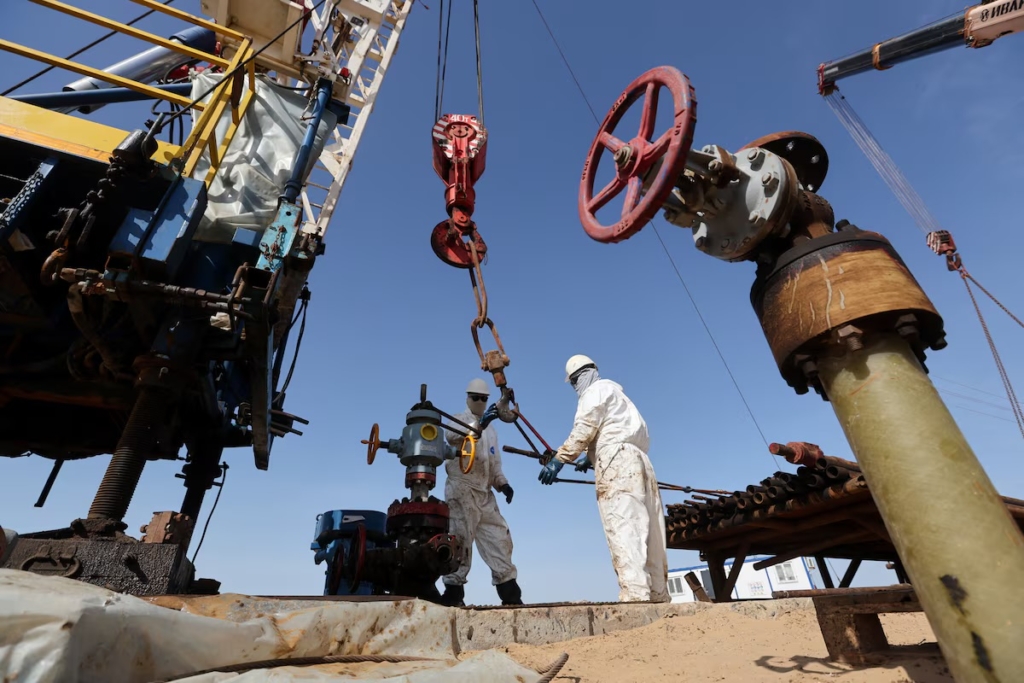
RoydadNaft – Brent crude futures rose $2.70, or 3.2 percent, to $86.79 a barrel. U.S. West Texas Intermediate (WTI) crude futures gained $2.65, or 3.3 percent, to $81.91 a barrel.
According to Roydad Naft, oil prices climbed nearly $3 a barrel on Wednesday. The rally followed joint U.S. and Saudi strikes in Iraq and the interception of Iranian ballistic missiles fired toward American forces in the Middle East. U.S. crude inventories also fell.
At 06:45 GMT, Brent futures were up $2.70, or 3.2 percent, at $86.79 a barrel. Meanwhile, U.S. West Texas Intermediate (WTI) rose $2.65, or 3.3 percent, to $81.91 a barrel.
Analysts at ING wrote in a note: “The renewed strength in the market came after the U.S. said it had intercepted a surprise attack on American forces.” They added that the latest developments had weakened expectations of a rapid de-escalation in the Persian Gulf.
The United States and Saudi Arabia carried out strikes on Wednesday against Iran-backed groups in Iraq, holding them responsible for drone attacks on Saudi oil facilities. Iran responded by warning that blaming Tehran for such attacks constituted a “major miscalculation.”
The strikes came only hours after the U.S. military announced it had thwarted a surprise Iranian attack on American forces in the region.
On Tuesday, only five commercial vessels passed through the Strait of Hormuz, and tanker traffic remained at low levels.
On Tuesday, Oman presented Iran with a Gulf-backed proposal to manage the waterway that includes voluntary fees for its use, according to a Gulf source and a Western diplomat who spoke to Reuters.
However, Tehran has rejected Oman’s proposal for joint regional management of the strait, which before the war carried about one-fifth of the world’s crude oil and natural gas shipments. A senior Iranian official said on Wednesday that the rejection had reduced the plan’s chances of success.
Suvro Sarkar, head of energy research at DBS Bank, said: “We believe Brent oil prices will continue to fluctuate in the $80–100 range in the short term as Middle East conflicts ebb and flow.”
He added that the situation had intensified since U.S. President Donald Trump signaled a return to diplomacy earlier in the week.
“This series of on-again, off-again talks means a full lifting of the Strait of Hormuz blockade will not materialize, and even in a de-escalation scenario the floor for oil prices could remain around $80 a barrel.”
U.S. crude inventories fell by about 3.3 million barrels in the week ending July 24. Market sources reported the figure on Tuesday, citing data from the American Petroleum Institute.
Official inventory data from the U.S. Energy Information Administration is due later on Wednesday.
Another factor supporting prices is that OPEC+ is likely to pause oil production increases for three months starting in October. Sources told Reuters the decision would be taken after the planned return of barrels following voluntary cuts is completed.