Global Crude Oil Prices Today (June 30, 2026) / Brent Crude Rises to $73.30

RoydadNaft –Brent crude futures climbed 0.21 percent (15 cents) to $73.30 per barrel. U.S. West Texas Intermediate (WTI) crude futures rose 0.51 percent (36 cents) to $71.11.
Roydad Naft reports that oil prices on Tuesday were on track for their biggest quarterly loss since the early days of the COVID-19 pandemic in 2020, as investors watched for possible U.S.-Iran talks in Doha amid a fragile temporary ceasefire in the four-month war.
August Brent crude futures (set to expire today) gained 0.21 percent, or 15 cents, to $73.30 per barrel at 13:02 GMT. However, the contract is heading for a third straight monthly decline, down roughly 20 percent so far in June.
The more active September contract rose 0.61 percent, or 45 cents, to $74.36 per barrel.
U.S. WTI crude for August delivery increased 0.51 percent, or 36 cents, to $71.11 per barrel. Even so, it is on course for a second consecutive monthly drop, down about 19 percent in June.
Brent has fallen around 38 percent this quarter, while WTI is down roughly 30 percent. Both benchmarks are trading near levels seen just before the U.S.-Israel conflict with Iran began.
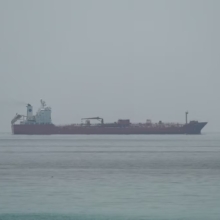
Giovanni Staunovo, analyst at UBS, said: “It can’t be said that the market has fully priced in the risk premium, but previously stalled tankers have become available with increased shipping movements from the Persian Gulf, creating a temporary wave of new supply.”
Morgan Stanley now models a global oil supply surplus of 4.8 million barrels per day for 2027.
Senior U.S. envoys who have arrived in Doha will not hold high-level talks with Iran, a Qatari official said on Tuesday — casting doubt on efforts to secure a permanent end to the war with Iran and the full reopening of the Strait of Hormuz.
Majid al-Ansari, spokesperson for Qatar’s Foreign Ministry, told a news conference that technical negotiations on issues including regional security would take place this week instead, and could later be elevated to a senior level.
This uncertainty over whether the two sides will actually meet has highlighted the fragility of the June 17 agreement for a temporary halt in hostilities — a deal that has disrupted global oil flows through the Strait of Hormuz and created a political challenge for U.S. President Donald Trump ahead of the November congressional elections.
For the first time since the war with Iran began, analysts have cut their 2026 oil price forecasts after five straight months of increases. A Reuters poll on Tuesday showed that the reopening of the Strait of Hormuz has eased concerns about prolonged supply disruptions.
Meanwhile, Iraq’s SOMO has offered wide discounts to its official selling prices in an effort to encourage long-term buyers to lift Basrah crude from its Persian Gulf terminal in July, according to trading sources and documents reviewed by Reuters.