BRICS Members’ Collaboration for Energy Security
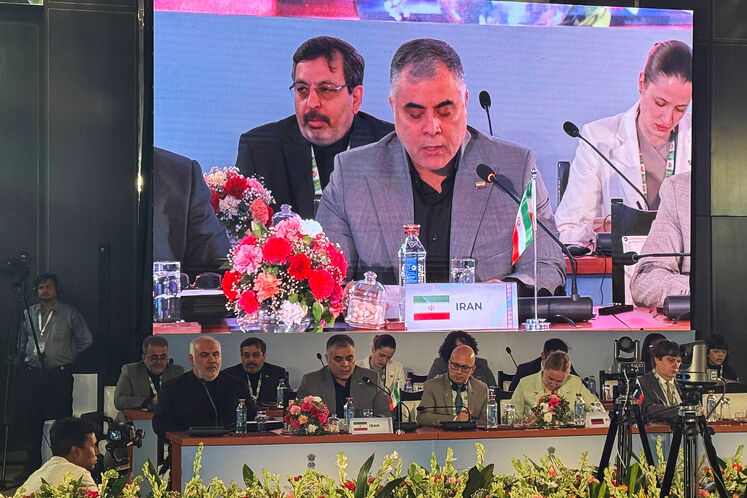
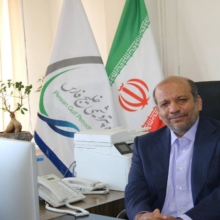
RoydadNaft – Iran’s Oil Minister announced the Islamic Republic of Iran’s readiness to engage in active and constructive cooperation with BRICS members to achieve the goals of secure and affordable energy.
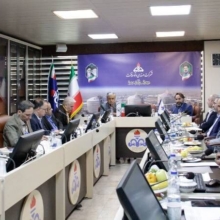
According to Roydad Naft, Mohsen Paknejad, speaking today (Thursday, July 4) at the 11th Meeting of BRICS Energy Ministers in Gurugram, India, emphasized the need for greater convergence among BRICS members.
The full text of the Oil Minister’s speech is as follows:
Once again, I would like to seize this opportunity to express my gratitude to the government and people of India for hosting this important meeting and for their warm hospitality.
I come from a proud Iran — an Iran that, over the past months, has powerfully defended itself against attacks by the Zionist regime and the United States. In doing so, it has suffered extensive material and moral damages, particularly the martyrdom of the Supreme Leader of the Revolution, prominent scientific and military figures, and a group of innocent civilians, including 168 students from the Shajareh Tayyibeh School in Minab.
Furthermore, the repeated aggressor attacks on Iran’s oil, gas, refining, and petrochemical infrastructure during this period were not merely assaults on the infrastructure of a single country, but a blind war against global energy security. These attacks caused damage to facilities, the martyrdom and injury of oil industry personnel, widespread environmental consequences, disruptions in the production of raw materials and supply chains for essential goods needed by the Iranian people, and the loss of income and employment for thousands of households in the Persian Gulf region. We are now witnessing how the repercussions of such aggressions have led to an energy crisis, rising global prices of raw materials and manufactured goods, economic pressure, and increased living costs for many civilians. These aggressive actions constitute a flagrant violation of international law and, specifically, the Charter of the United Nations, and must be condemned at every level.
As the Islamic Republic of Iran has repeatedly stated, the only path to stability and security in West Asia — a region that supplies a major portion of the world’s energy — is the withdrawal of foreign forces from the region, the dismantling of American bases, and entrusting the security of this strategic area to the countries of the region itself.
Today, the global energy system faces more challenges and uncertainties than ever before, and ensuring sustainable energy supply has become a primary concern for leaders and policymakers in most countries. Rising energy demand, geopolitical risks, unpredictable market fluctuations, global warming, investment constraints, and the urgent need to guarantee universal access to affordable energy are among the global challenges that cannot be addressed by one or two countries alone. They require international cooperation and the adoption of pragmatic and realistic policy approaches at the global level.
In recent years, the “transition to clean energy” through the rapid elimination of fossil fuels from the energy system has been presented in international climate negotiations as the definitive solution to global warming. While we emphasize the need for collective action to mitigate climate change, it must also be seriously recognized that unilateral and exclusionary policies in the energy system endanger “global energy security” and deepen energy poverty in many societies and deprived regions of the world. To prevent such risks, all energy sources and technologies must play a role in meeting the growing energy demand.
Realistic scenarios of global energy outlooks, including the OPEC World Oil Outlook 2026 released last week, project that oil and gas will still account for more than 53% of global energy needs by 2050, with no peak in global oil demand foreseen within that horizon. Moreover, despite the growth of renewables in recent years, the share of fossil fuels in global electricity generation remains significant — with oil at approximately 57% currently and projected to be around 34% by 2050. Oil continues to form the backbone of the world’s transportation and industrial sectors, while natural gas, as a cleaner fuel with flexible applications and expanding infrastructure, plays a pivotal role in the energy transition.
In light of these realities, the Islamic Republic of Iran believes that, within the framework of a just, orderly, and inclusive energy transition, global investment in the oil and gas industry and carbon-reduction technologies must be rapidly increased to achieve sustainable energy supply and combat global warming.
In this context, the BRICS platform undoubtedly offers exceptional potential for energy cooperation. Our countries together represent a significant share of global energy production, consumption, reserves, and innovation capacity. We can harness this collective strength to advance development across various energy sectors, including oil and gas, renewables, power grids, hydrogen, energy efficiency, artificial intelligence, and the digitalization of the energy sector.
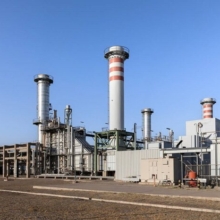
As one of the world’s largest oil and gas producers, the Islamic Republic of Iran — despite years of sanctions — has successfully achieved its goals in developing energy sector infrastructure. In 2025, Iran’s annual natural gas production exceeded 280 billion cubic meters, equivalent to about 7% of global natural gas output. The country’s oil production capacity reached 4.2 million barrels per day, and petroleum products production capacity stood at 2.4 million barrels per day. In energy transmission and transportation, Iran possesses thousands of kilometers of pipelines of various sizes and capacities for crude oil, petroleum products, and natural gas. Meanwhile, electricity generation capacity has surpassed 100,000 megawatts, with ongoing programs to increase production from both fossil and non-fossil sources.
The Islamic Republic of Iran is prepared to play an active role in energy cooperation among BRICS member countries. We bring to the BRICS platform our vast energy resources, world-class technical expertise, strategic location, and — most importantly — our strong willingness to engage in constructive cooperation toward shaping a just and secure global energy order.
While today’s global energy market dynamics face serious risks and threats due to increasing commercial measures and unfounded sanctions against countries holding large oil and gas reserves, BRICS members share a common responsibility to preserve stability, prevent disruptions in energy markets, and ensure the uninterrupted flow of energy resources. This should balance the two dimensions of energy security: supply security for consumers and demand security for producers. As a practical step, this could be pursued under the title of “BRICS Energy Security Partnership” within the BRICS Energy Cooperation Roadmap 2025–2030, with the aim of enhancing resilience, stability, and security across the entire energy value chain in member countries. This framework would facilitate regular exchange of information on energy market developments, cooperation in protecting critical energy infrastructure, enhancement of emergency response capabilities, encouragement of investment in strategic energy projects, and support for continuous energy supply flows among BRICS members.
Let me conclude by emphasizing that achieving secure, affordable, reliable, sustainable, and inclusive energy depends on the collective efforts and cooperation of us all. The Islamic Republic of Iran stands ready to participate actively and constructively with all BRICS members in realizing this strategic goal.
Finally, I would like to once again express my appreciation to the government and people of India, especially His Excellency Minister Lal Khattar, for their warm hospitality, excellent organization, and valuable efforts in hosting this meeting.