Global Crude Oil Prices Today, June 17, 2026/ Brent Crude Rises to $79.89 per Barrel
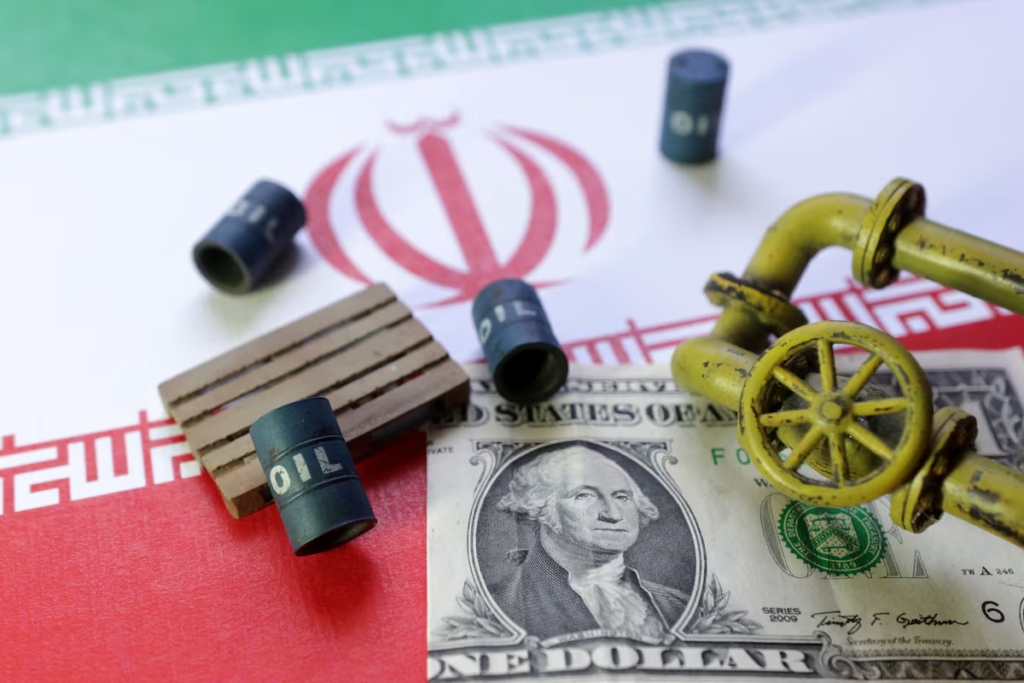
RoydadNaft – Brent crude futures rose by 93 cents, or 1.2%, to $79.89 per barrel, while U.S. West Texas Intermediate (WTI) crude futures gained 79 cents, or 1%, to $76.84 per barrel.
According to Roydad Naft, citing Reuters, oil prices climbed more than 1% on Wednesday after U.S. President Donald Trump threatened to resume air strikes against Iran if the country failed to “behave.” Despite the gains, prices remained near their three-month lows as the International Energy Agency (IEA) warned of a potential supply surplus in the global oil market next year.
The report said that as of 13:08 GMT, Brent crude futures were up 93 cents, or approximately 1.2%, at $79.89 per barrel. U.S. West Texas Intermediate crude also advanced by 79 cents, or 1%, to $76.84 per barrel. Earlier in the trading session, both benchmarks had fallen to their lowest levels since early March.
Trump said on Wednesday that the memorandum of understanding reached with Iran had not yet been finalized and warned that a bombing campaign could be resumed if he was dissatisfied with the agreement or if Iran did not “behave.”
Commenting on market sentiment, Fawad Razaqzada, a market analyst at City Index, said: “There is still a degree of uncertainty surrounding the U.S. situation. Therefore, it makes sense for oil prices to rebound from these levels after experiencing a fairly sharp decline over the past few days.”
IEA Warns of Significant Oil Supply Surplus
In its first outlook for 2027, the International Energy Agency projected that the global oil market would face a substantial supply overhang, with worldwide oil supply expected to increase by 8 million barrels per day, while demand is forecast to grow by only around 2 million barrels per day.
The agency also stated in its near-term assessment that a potential agreement between Iran and the United States could provide an opportunity to replenish depleted oil inventories or establish new strategic reserves.
Crispus Nyaga, a research analyst at Empire FX, said: “Markets may be underestimating the scale of the supply glut that is set to come online.”
According to the report, the memorandum of understanding, which has not yet been made public, extends a fragile ceasefire agreed upon by both sides in April for an additional 60 days, allowing more time for negotiations between Washington and Tehran aimed at achieving a permanent settlement.
Nevertheless, industry officials believe that a full recovery of oil production and refining capacity to pre-war levels is likely to take weeks, months, or even years.
Meanwhile, market sources, citing data from the American Petroleum Institute (API), reported that U.S. crude oil inventories fell by 8.3 million barrels during the week ending June 12.
The decline significantly exceeded analysts’ expectations of a 4.6-million-barrel draw. Official inventory data from the U.S. Energy Information Administration (EIA) was scheduled to be released later on Wednesday.