Global Crude Oil Price Today (June 15, 2026) / Brent Oil Falls to $83.17

RoydadNaft – Brent crude futures dropped $4.16 (4.8%) to $83.17 per barrel. U.S. West Texas Intermediate (WTI) crude futures fell $4.39 (5.2%) to $80.49 per barrel.
According to Roydad Naft, oil prices hit their lowest level in three months on Monday after U.S. President Donald Trump and Iran’s Deputy Foreign Minister announced they had reached a preliminary agreement to end the war and resume passage through the Strait of Hormuz.
Brent crude futures settled $4.16 (4.8%) lower at $83.17 per barrel, while U.S. WTI crude fell to $80.49, down $4.39 (5.2%). Both contracts reached their lowest levels since March 10 after plunging more than 3% on Friday.
Pakistan’s Prime Minister, whose country played a mediating role, stated that the United States and Iran will sign an understanding in Switzerland on Friday. Trump said on Sunday that the Strait of Hormuz would reopen “without fees” and that the U.S. naval blockade of Iranian ports would end.
Mehr News Agency reported that the draft agreement includes the reopening of the Strait of Hormuz within 30 days, led and managed by Iran.
Tamas Varga, analyst at PVM Oil Associates, said: “It will take a long time for oil to return to pre-crisis levels of 20 million barrels per day through this chokepoint. Estimates for a full resumption of traffic range from several weeks to several months.”
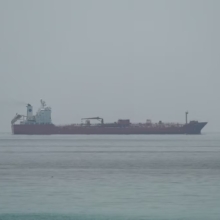
Since the Strait of Hormuz was closed due to the war more than three months ago, the world has lost millions of barrels of oil and gas.
Investors are also watching cautiously to see how quickly Middle Eastern producers can restore production and exports after war damage, and whether more vessels will return to the region.
Ole Hansen, analyst at Saxo Bank, said: “If we look at Brent’s pre-war range of around $60–70, I expect the new price floor to move above $60 in the December/January period and possibly reach $75–80 going forward, with some upside risks.”
Giovanni Staunovo of UBS also noted that lower inventory levels, the slower process of restarting production, and replenishing strategic oil reserves should support prices in the longer term.
Kazem Gharibabadi, Iran’s Deputy Foreign Minister, said a broader agreement would be negotiated during the 60-day ceasefire period.
David Jurbnazeh, ICIS global oil market leader, forecast “a partial recovery in traffic within a few weeks of a credible agreement and meaningful commercial normalization within a four-to-six-month timeframe.”
He added: “Full traffic volumes returning to pre-conflict levels will occur in 2027 and will only be achieved if the agreement is maintained without incident and production is restored at an appropriate pace.”
The E4 countries — the UK, France, Germany, and Italy — announced on Sunday that they are ready to lift sanctions in response to Iran’s steps on its nuclear program.