OPEC sticks to oil demand view, nudges up economic growth

RoydadNaft – OPEC on Tuesday stuck to its forecast for relatively strong growth in global oil demand in 2024 and 2025, and further raised its economic growth forecast for this year saying there was more room for improvement.
The Organization of the Petroleum Exporting Countries said in a monthly report that world oil demand will rise by 2.25 million barrels per day (bpd) in 2024 and by 1.85 million bpd in 2025. Both forecasts were unchanged from last month.
In the report, OPEC said a “robust dynamic” for economic growth towards the end of 2023 was expected to extend into the first half of 2024 and raised its 2024 economic growth forecast by 0.1 percentage points, following a hike last month.
“While some downside risks persist, a continuation of the expected momentum from the beginning of the year could result in additional upside potential for global economic growth in 2024.” OPEC said in the report.
“The 2024 and 2025 growth trajectories of India, China, as well as the United States, could exceed current expectations.”
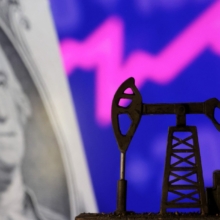
Conflict in the Middle East and supply outages have supported oil prices in 2024, although concerns about continued high interest rates have weighed. Brent crude on Tuesday was trading around $82 a barrel.
A rise in prices in February took place as oil market fundamentals continued to strengthen, OPEC said in the report, adding that geopolitical tensions also supported prices.
OPEC now sees world economic growth of 2.8% in 2024, supported by the expectation of a continued easing in general inflation throughout this year. It kept next year’s forecast steady at 2.9%.
“It is anticipated that domestic political and geopolitical developments will likely not significantly impact the growth momentum,” OPEC said.
BULLISH OPEC, CAUTIOUS IEA
For this year, OPEC’s expectation of oil demand growth is much more than the expansion of 1.22 million bpd so far forecast by the IEA. The IEA, which represents industrialised countries, is scheduled to update its forecasts on Thursday.
OPEC believes oil use will keep rising for the next two decades, while the IEA predicts it will peak by 2030 as the world shifts to cleaner energy. The two have clashed over this and related issues such as the need for more oil industry investment.
OPEC and the wider OPEC+ alliance have implemented a series of output cuts since late 2022 to support the market. A new cut for the first quarter took effect in January and earlier this month was extended to cover the second quarter.
The OPEC report also said that OPEC oil production rose by 203,000 bpd in February to 26.57 million bpd led by Nigeria and Libya, despite a new round of voluntary output cuts by the OPEC+ alliance that started in January.