Iran’s Oil Output Did Not Stop in an Uneven War, NIOC Chief Says; Talk of Burst Pipes and Tank Blasts Called Untechnical
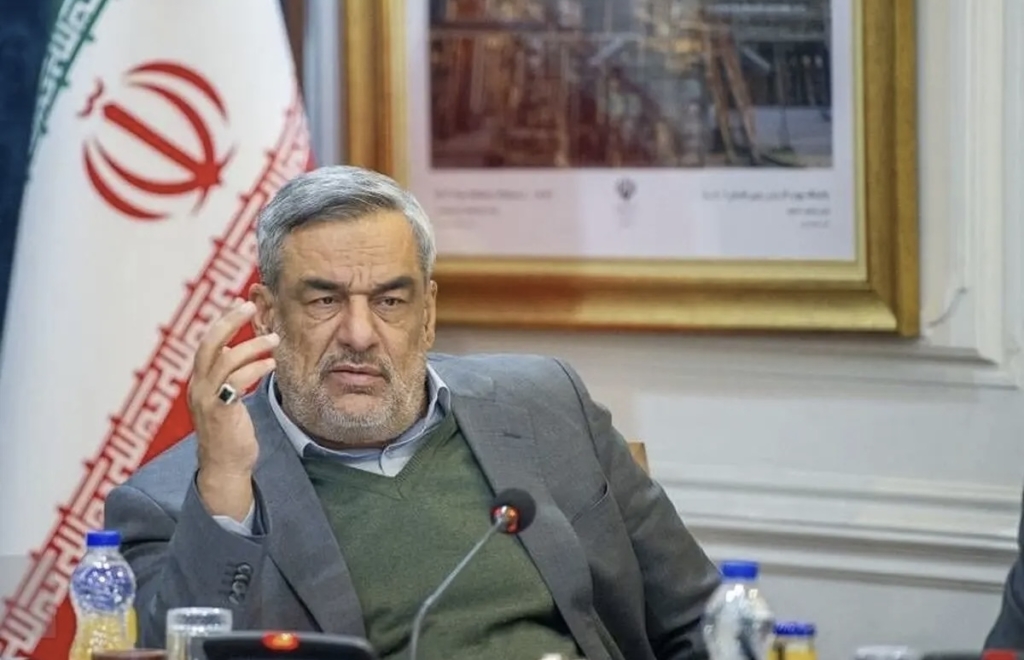
RoydadNaft – The chief executive of the National Iranian Oil Company described what he called an uneven war against Iran’s oil infrastructure, said production has stayed stable and an eight-year oil-output record has been broken, and dismissed rumors of disruption at oil facilities.
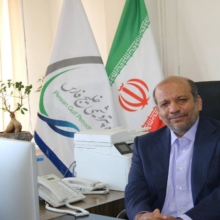
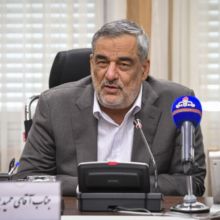
According to Roydad Naft, Hamid Bovard spoke about production, security challenges, and development plans. Iran’s oil industry is in an uneven war, he said. As an inseparable part of the macroeconomy, the industry has carried out its core duty at every historical turning point.
Wartime industry; infrastructure being rebuilt
Just as the enemy plans against military and civilian infrastructure, available information shows it has also planned to hit oil facilities — whether by bombing plants, through sanctions, or by a naval blockade, Bovard said. Personnel at NIOC have continued what he called determined, technical work.
Iran’s oil output still ahead of neighbors despite hardship
His colleagues have tried to hold production through all of that difficulty, he said, which is why Iran is in a better position than some neighboring countries. Oil output has stopped in some countries in the region, but with NIOC’s planning it has continued in Iran. Where field output has fluctuated, he said, it has been according to a precise plan.
Production, exports, and petrochemical feedstock remain stable
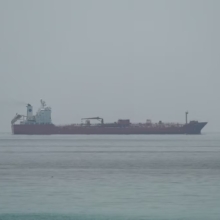
Rejecting rumors of burst pipelines and exploding tanks because of pressure from a naval blockade and full storage, Bovard said those analyses are entirely untechnical and unoperational. With more than a century of oil-industry experience in Iran, the situation is manageable, he said. Operating crews have handled the conditions well. Production is stable, exports are moving, and the downstream chain is fully under control.
Petrochemical feedstock is being delivered on time, gasoline is being produced, and there has been no crisis in the national supply chain, he said. Sites the enemy bombed are being rebuilt and prepared quickly.
Eight-year oil record broken; output up 200,000 barrels a day
Over the past two years the industry has posted a strong record, Bovard said. Under current leadership, the oil-production mark of the previous eight years was broken and output rose by more than 200,000 barrels a day. Operations stopped in some fields because of the war, but development programs were put back on the agenda quickly.
Gas output above 1 billion cubic meters a day
Gas production also beat the mark of recent years, reaching 1.1 billion cubic meters a day last winter, he said.
Call for 15% saving to offset war damage to refineries
Producing that volume of gas is very costly, Bovard said. He asked the public to cut energy use by 10% to 15% to help the industry through this period, especially this year, when some refineries have been damaged by the war. That saving, he said, can help keep energy supply going.
Associated-gas gathering up 300%
Associated-gas gathering is a high priority for the country’s senior executive leadership and is followed weekly, he said. About 5 million cubic meters of associated gas used to be gathered; that figure is now 15 million cubic meters — a 300% increase. Plans call for gathering another 21 million cubic meters by year-end, taking the total to 36 million cubic meters a day. Those results come from projects carried out by NIOC with private-sector participation.
From NGL-3100 to West Karun; development plans on track
A new project to gather 200 million cubic feet of associated gas will be opened soon, Bovard said. With the startup of NGL-3100 in Dehloran, all associated gas in that area is being collected. There are also serious plans for West Karun, with more news expected in the coming months. On offshore associated-gas gathering, talks with the private sector are under way and are expected to produce results.