Paknejad: Iran Has Recovered 100 Million Cubic Meters of Gas Production Capacity
RoydadNaft – The oil minister told parliament that 100 million cubic meters of gas capacity has been recovered and that a remaining shortfall of 120 million cubic meters will be managed with liquid-fuel storage.
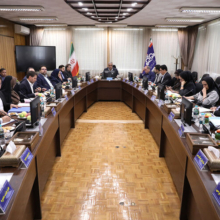
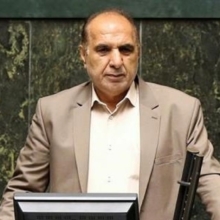
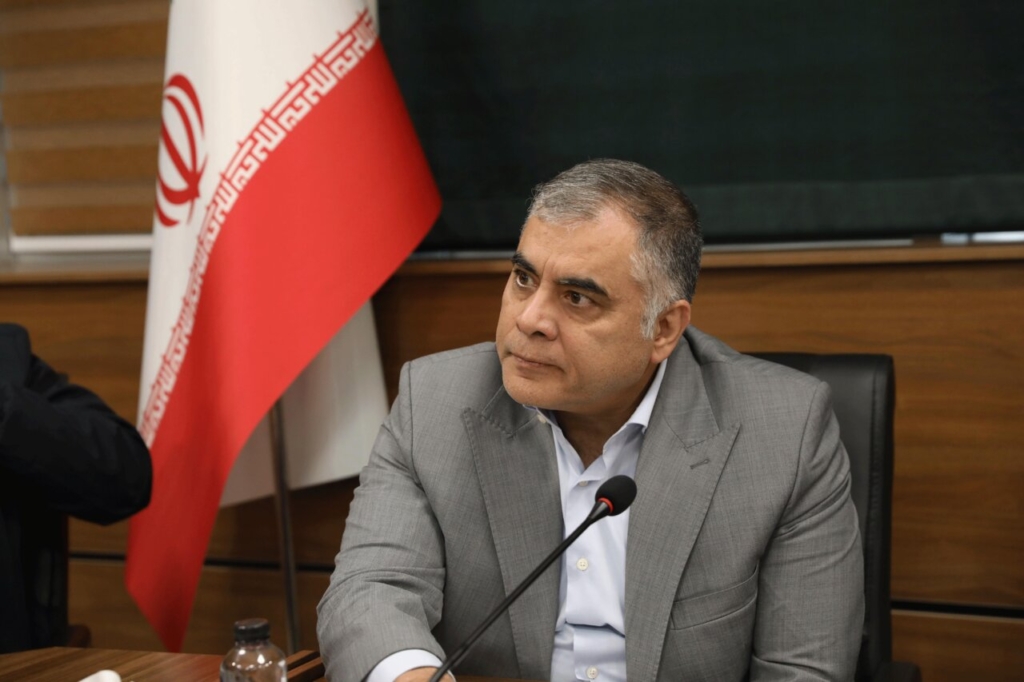
According to Roydad Naft, Mohsen Paknejad spoke after attending the energy committee of the Islamic Consultative Assembly. He discussed winter fuel supplies, lawmakers’ demands, the recovery of part of the lost gas-production capacity, and special measures to supply liquid fuel to power plants and industry.
He said he appeared before the committee as part of lawmakers’ oversight duties and answered the ambiguities, concerns, and technical questions raised by members. Together with oil-industry colleagues, officials gave explanations across several areas and reached useful conclusions. The ministry will use parliament’s guidance to improve operations, raise productivity, and make the oil industry more effective in serving the public, he said.
After incidents late last year took four gas refineries offline, Iran lost about 230 million cubic meters of gas-processing capacity, Paknejad said. Through round-the-clock work and spare capacity at other refineries, the industry has recovered close to 100 million cubic meters of that lost output.
A shortfall of more than 120 million cubic meters remains and is added to this year’s gas imbalance, he said — a gap that requires clear management mechanisms.
In earlier meetings with the energy committee, an allocation and delivery table for gas was drawn up, clarifying the ministry’s duties, especially gas deliveries to power plants as the backbone of electricity supply.
One of the most effective steps ahead of the cold season has been filling and raising liquid-fuel stocks at power plants, he said. For industry, storage of fuel oil and diesel has also been increased so that when household and commercial demand jumps at the peak of winter, liquid fuel can cover the gas that cannot be delivered to power plants and factories and service is not interrupted.