Iran Rebuilds Metering Equipment at Asaluyeh Gas Terminal After 20 Years
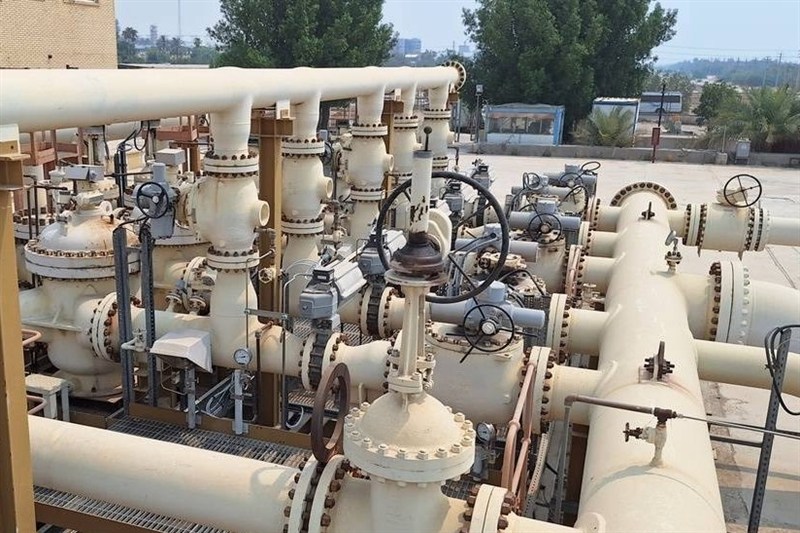
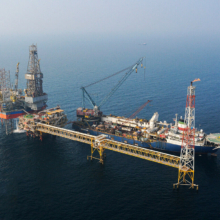
RoydadNaft – Metering equipment at the South Pars gas-condensate terminal in Asaluyeh — including 13 damaged meter blades — has been rebuilt.
According to Roydad Naft, citing the National Iranian Oil Company, positive-displacement meters are precise, critical devices in oil-and-gas measurement systems. Their performance directly affects measurement accuracy, volume calculation, and the delivery and transfer of gas condensate.
After more than two decades of continuous operation at the South Pars condensate-terminal metering unit, some blades on the 16-inch meters needed rebuilding or replacement because of wear from long service.
Given the importance of the equipment and limits on buying specialized parts from foreign manufacturers, mechanical-maintenance experts at the South Pars condensate terminal, working with procurement and materials management, chose to rebuild existing parts in Iran instead of importing replacements.
Thirteen damaged blades from the 16-inch meters were rebuilt and recoated using the knowledge and experience of specialists at the Iranian Oil Terminals Company and the technical capacity of a domestic knowledge-based firm.
After technical work, checks, and confirmation that the parts were fit for service, they were returned to operation, avoiding foreign-currency spending on new components.
The main economic result is about €1 million in savings from substituting domestic rebuilds for imported parts.
The project also extends the service life of existing equipment, keeps recoverable parts in operation, and reduces reliance on foreign suppliers.
The rebuild is an example of using knowledge-based companies and transferring technical know-how between oil-industry specialists and Iran’s technology sector — an approach that can be applied to other specialized and capital equipment in the oil industry.
Overall, the work is a practical step toward stronger domestic manufacturing and repair capacity, more resilient measurement equipment, and less dependence on foreign sources at the country’s oil terminals.