Iran Speeds Recovery of Lost South Pars Refinery Capacity
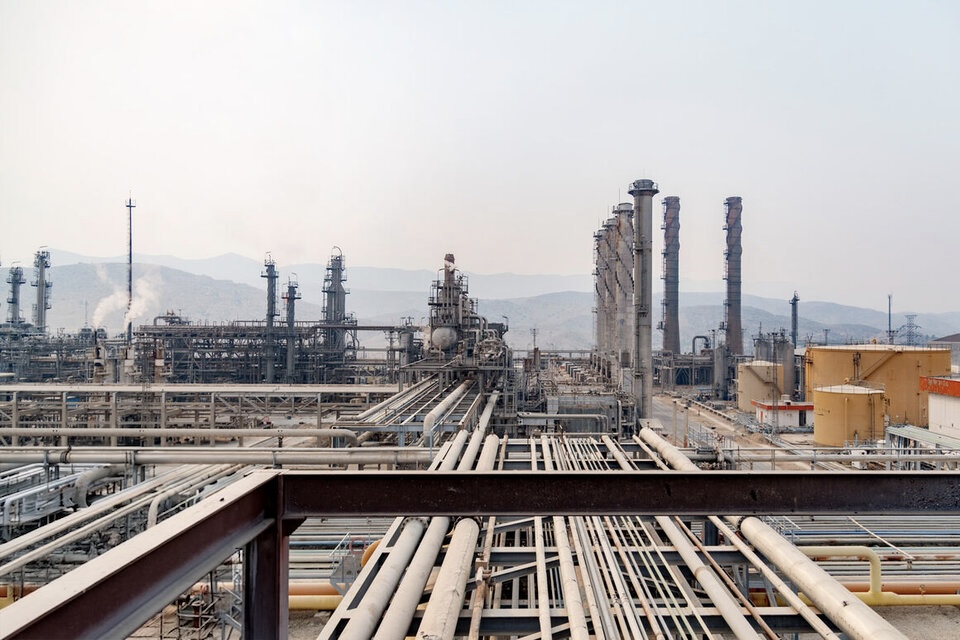
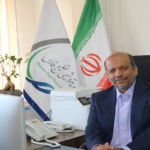
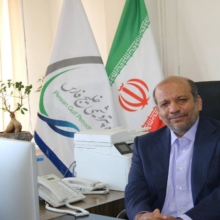
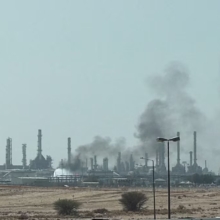
RoydadNaft – The National Iranian Gas Company’s director of integrated planning said enemy attacks damaged the country’s gas facilities and that four South Pars refineries were hit in the third imposed war. From the first moments, he said, crews worked to contain the incidents, form crisis teams, cut refinery feedstock, and plan the reconstruction and recovery of lost capacity.
According to Roydad Naft, Saeed Pakseresht said 230 million cubic meters a day of Iran’s gas-refining capacity was knocked out. By the volume of capacity lost, he called it one of the largest attacks on gas facilities anywhere in the world.
Reconstruction was split into two tracks from the start: early restart, to limit the damage and return part of refining capacity to the network quickly, and full rebuild of the damaged plants, which needs more time.
Early-restart program
The early-restart plan was designed in four phases. Two phases are finished, and part of the lost capacity is back on Iran’s gas grid. The third phase will come online on the planned schedule, Pakseresht said.
The initial timetable for the fourth phase ran through May 2027, but officials are trying to return part of that capacity before the cold months begin.
Under an Oil Ministry decision, reconstruction of South Pars refineries 3 and 5 was assigned to the National Iranian Oil Company, and refineries 4 and 6 to the National Iranian Gas Company, so the full capacity of the oil and gas industry can finish the work as fast as possible.
A real-world test of the gas industry
Plans and preparations for crisis conditions had been made in previous years, Pakseresht said, but this time Iran’s gas industry was tested in the field and gained valuable experience in crisis management and resilience.
Advance work on facilities, equipment, and personnel helped the industry get through the episode with limited secondary effects. Still, operating under those conditions was a different experience, and the damage was significant in scale and intensity.
Lessons from earlier incidents played an important role in managing the crisis, he said. Reconstruction and capacity recovery have so far stayed on plan, and the effects of the attacks have largely been contained.
Maximum use of specialist capacity
Iran’s gas industry has long experience operating gas refineries, and that expertise has been central to the rebuild, Pakseresht said.
Maximum use was made of specialists’ technical knowledge and experience, and existing capacity was used to keep reconstruction moving at speed and to a proper standard.
Iran’s gas industry is mature, professional, and dynamic, he said, and holding that position requires continuous use of the latest scientific and technological advances.